Metaphysical Poetry

Jul 01, 2019 • 30 views
The word metaphysical is derived from two words meta (meaning- beyond) and physical (body, flesh) which together means beyond physical existence. Metaphysical poetry refers to the stream of philosophy that is concerned with the ''first principle of things, including abstract concepts such as being, knowing, identity, time and space''.

The term is coined by Dr. Samuel Johnson while talking about the life of "Abraham Cowley" in his book "Lives of the most eminent English poets". After observing the metaphysical poets he said they " were men of learning and showing their learning was their whole endeavour... They neither copied nature nor life... Their thoughts are often new but seldom natural; They are not obvious, but neither are just; and the reader, far from wondering that he missed them, wonders more frequently by what perverseness of industry, they ever found."
W. H Hudson sums up the salient features of the metaphysical poets in the following way.
"Their work is packed with affectations and conceits. In their effort to surprise by the boldness and novelty of their images, they indulge strange metaphors, far -fetched simile and the most extravagant hyperbole. They cultivate ingenuity at any cost, substitute philosophical subtleties and logical hair- splitting for the natural expressions of feeling and empty their vast out of the way learning without the slight regard to propriety. As a result they are, in general, violent, harsh, cold and obscure. That from time to time, they nonetheless give us passages even whole poems of real power and beauty proves that the prompting genius was altogether stiffled by vicious theory."
Conceit is one of the most significant trait of metaphysical poetry. Hellen Gardener said a conceit is a comparison " whose ingenuity is more striking than its justness". John Donne, Richard Crashaw, H. Vaughen, Andrew Marvell, and George Herbert are some of its notable practitioners.
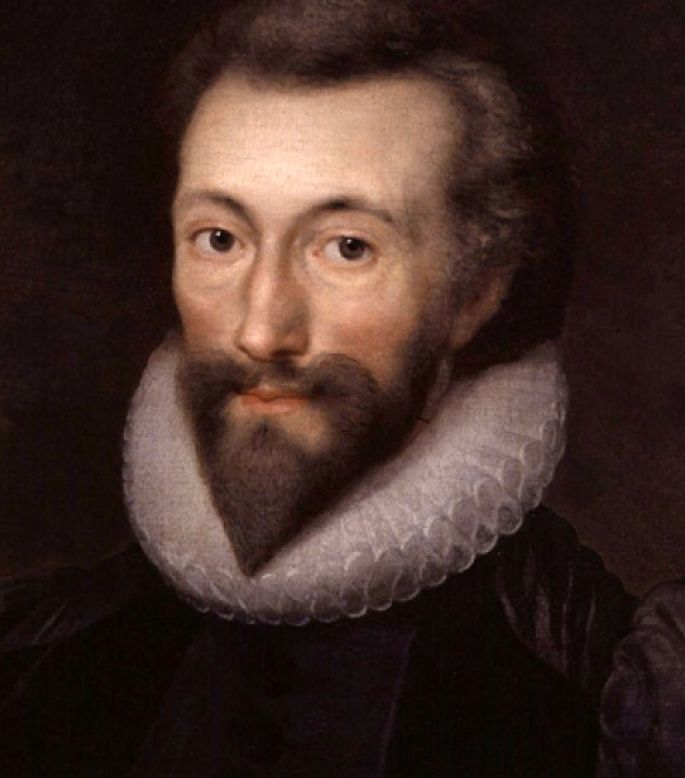
Donne is said to "affect the metaphysics in his amorous verses, where nature should only reign, perplexes the minds of the fair sex with nice speculations of philosophy, when he should engage their heart". He has defied Elizabethan convention in all departments of poetry (matter, form and structure, spirit and manner). The Elizabethan poets followed Petrarch and blew the sentimental tunes of idealism of the mistress as a deity of unfulfilled love as well as of misery and sad infatuation for beauty of the "fair disdainful dame (damsel)". The form mostly was the sonnet. The style was loaded with conventional poetic diction and stereotypical images which seldom challenges the intellect. But Donne showed his disdain which conspired to strange intellect and emotion. He reflected all his varying moods ( both pleasant and unpleasant alike) with a dead sincerity in his poetry. For that he:
1. Brought in new words and expressions.
2. Brought in his vast and varied learning to illustrate his subject and emotions.
3. Distorted the mellifluous rhythmic structure with the drama of colloquialism.
4. Produced psychological probes of intellect which worked through surprisingly intellectual conceits.
Metaphysical poetry is the most celebrated and crude form of love lyrics. The beloveds are subject to peculiar comparison bringing in geography, law and other different branches of studies. ''Atlanta's ball'', ''O my America, my new found land'', ''sharp North'', ''declining West'', ''twin compasses'', ''sacrilege'', ''triple murder'' etc are the terms used in Donne's poems, is one such example.
Recommended

Kasam Ki Kasam Chords - A.R.Rahman & Shaan - Kabhi Khushi Kabhi Gham