Handloom: India’S Pride
Jun 25, 2019 • 66 views
Handloom India's luxury
Exquisite poetry in colorful fabrics this phrase aptly describes handlooms-a sector known for its creativity and tradition of excellent craftsmanship. Handlooms for a precious part of the generational legacy and well exemplify the richness of our culture and the artistry of the weavers. Nothing can replace the warmth of Kashmiri shawls. coziness of scarves from Barabanki, Luxury of Moradabadi carpets fine texture of silk from Varanasi and Sonepur and the freshness of cotton saree from Chanderi. Soft, comfortable, warm hand woven clothes with fine embroidery are indeed incomparable in terms of their flexibility, beauty, luxury and timeless style quotient.
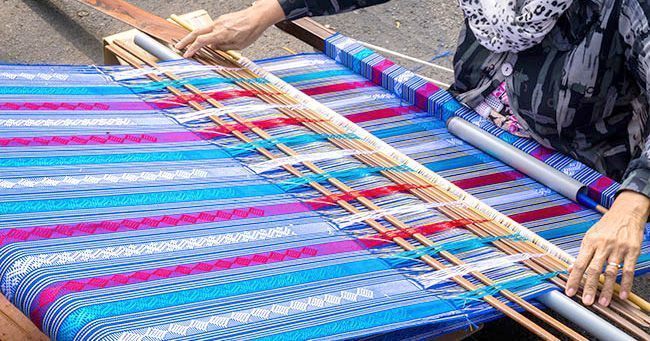
A beautiful picture
Having survived the high tides of threat power looms and prospect of collapse due to underpayment of skilled workers, the Indian handloom sector today blossoms as a beautiful picture on the global platform. The rescue of this ancient Indian art form from a near death condition due to the advent of power looms is relatively recent. The credit goes to the growing nationalist sentiments in the inter war period in pre independent era particularly, the ideology of 'swadeshi' which focused on the promotion of khadi' and other handloom products. Though we may be personally convinced about the perennial and universal appeal of handlooms who does not think that home made food at times is preferable to the most lavish restaurant cuisine its bright future cannot be taken for granted.
Basket of problems
The sector is set with manifold problems such as low productivity, obsolete technology, unorganized production system, inadequate working capital, conventional product range, weak marketing link, overall stagnation of production and sales, and above all cut-throat completion from power looms and mills sector. Also this industry is predominantly dependant on skilled artisans, who are mostly, underpaid and who since they are beholden to their families who trained them are trapped in a vicious circle of poverty. Government of India, aware of the not only the market potential of handlooms with upper segments at the global and domestic level but also the fact that handlooms provide a place second only to agriculture in providing livelihood, has been trying to assist the sector with financial assistance and through developmental and welfare schemes. The production of hand loom fabrics went up 6536 million square meters in 2006-07 from 500 million square meters in the early 1950s There were innovations in designs to meet the growing demand of contemporary styles.
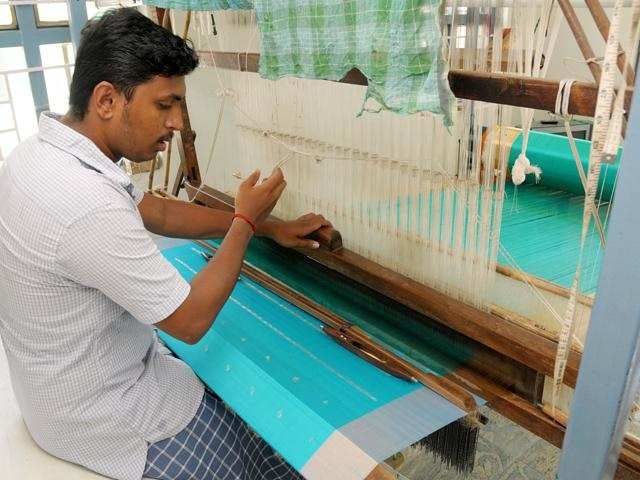
The global meltdown in the financial markets has had a disastrous impact on the handloom sector. Government action in this regard has proved to be an umbrella in the burning heat of recession. The Union Budget has provisions to help the hand loom industry and Handloom Atlas of India is being launched to help the buyers.
A global mark
Indian handloom has made its mark all over the world. It was not surprising to see the Ex first lady of the U.S. Mrs. Obama wearing Indian handloom accessories and shopping for other handloom products at the Dilli Haat. Other foreign tourists to India can be seen frequenting places like Janpath and Dilli Haat to admire and take back with them the extremely beautiful handloom products. This sector not only reflects creativity but also weaves a strong thread tying us to our age old culture. It is time that we as the fashionable youth of India start respecting the hard work and skills that go into the making of such exquisitely rich products and not be ignorant about it.
Recommended

You Are My Soniya Chords - Alka Yagnik & Sonu Nigam - Kabhi Khushi Kabhi Gham