Paint It Red- Inside The Use Of Color

Mar 31, 2019 • 14 views
Red as a color signifies anger, passion, rage, desire, excitement, energy, speed, strength, power, heat, love, aggression, danger, fire, blood, war, violence. Any film maker possessed of any level of competence places the visual appearance of their film at the very top of the priority list and rightly so.Yes, there are such elements as script, acting, editing, sets, costumes, score and many others, but if the film doesn’t look as it should, nothing will come off quite as well as it should. For many years, black and white photography was the dominant mode for film making. In the late sixties, color started to dominate and filming in black and white became a courageous choice, when came the Technicolor.
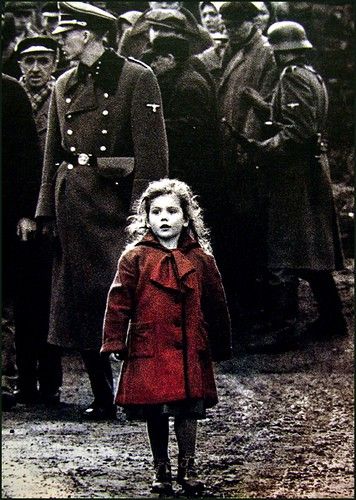
Schindler’s List was a major turning point in his filmography.. Taken from a novel by Thomas Kenneally, Schindler’s List tells the true story (lightly fictionalized) of Oskar Schindler (here played by Liam Neeson), a businessman in the Germany of the 1930s.The Nazis in the story didn’tbother the prosperous and Aryan Schndler, but he is a man of principle and thinks their persecution of Jews is horrible. To that end, he risks his life employing Jewish workers in his factory and sheltering them and their families inside of the factory. The black and white photography in the picture is perfect for the period, capturing the elegance of the pre-war era and also providing stylization for the devastating events which follow. It also allows a depth of field which captures a somber and complex feel contained in the plot. There is a modern day epilogue filmed in color, but the true color moment is one which no one seeing the film ever forgets. As a group of Jews is herded to horror and death in the camps, the viewer and the on screen characters notice a little girl. Her red coat, the only color in a sea of black and white, stands out, haunting any who will view it. Another was the film by director Sam Mendes.
American Beauty has red as a central color. It can be detected in most of the scenes of the film, brushing furniture, household appliances, accessories and clothes. Its most compelling manifestation, however, is expressed through red roses that can be traced almost everywhere. The middle aged man is representative of a suburban kind of life. Red, in the shapes that it takes inside the film’s mise-en-scène, is indicative of his repressed lust, agony and anger. Lester wants to break free from the routine that he chose for himself. The young and lascivious Angela is an embodiment of everything that he has been hiding under the veil of a supposedly perfect and peaceful life.
In The Sixth Sense colour red is present in all of these tiny little cinematic objects that are typical of producing a blood-curdling effect. A crimson balloon that is ominously floating in the air, a ruby doorknob that is expected to start turning around in a slow and sinister way, the carmine shirt of a lonely boy that claims to see dead people. In Shyamalan’s films where the colour’s shocking value has to do more with a type of fear that is highly psychological and subtle.Red is, therefore, functioning inside the film as an alarm of horror and terror. It is the colour that reflexively provokes a shocking reaction to the spectator who agonisingly waits to see when the next creepy ghost is going to show up.
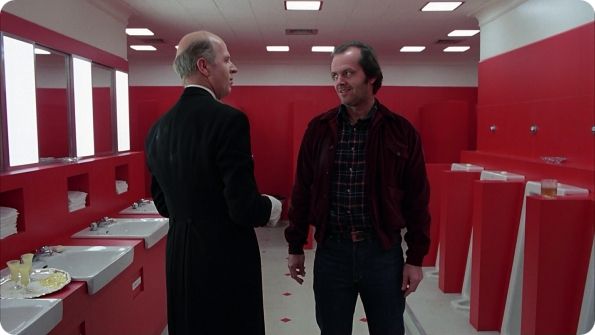
The Shining, however, showcases a usage of colour red that probably has the highest symbolic position. Most of all, the colour functions inside the film as a warning of a violent supernatural-rooted attack. The young boy is throwing red darts when he sees the twin ghosts for the first time and Jack Nicholson starts getting dressed in a red jacket precisely before going frenzy and attacking his family.
Recommended

Janiye Chords - Chor Nikal Ke Bhaga - Yami Gautam & Sunny Kaushal