Gendered Public Spaces

Jun 28, 2019 • 43 views
Gendered public spaces can be defined as certain public spaces that are dominated by a particular gender. It shouldn’t be a matter of dismay when I say that male dominance over public places is prominent. In India, there is a clear division of places as private and public owing to gender. According to this division, women are associated with the domestic environment or private places and men are engaged in public spaces.
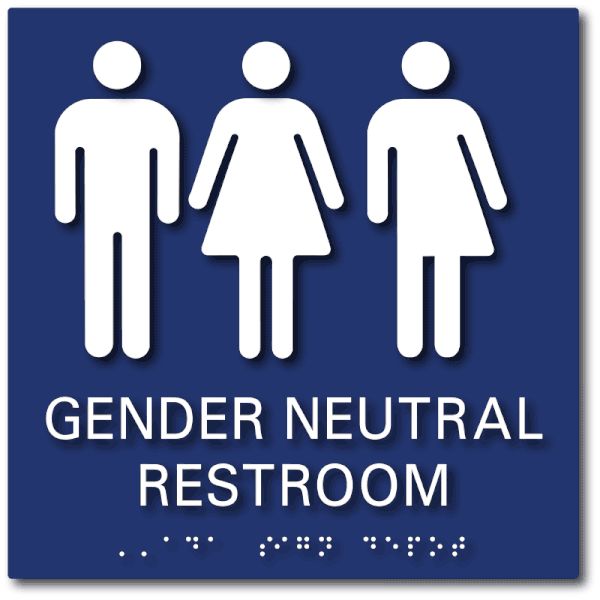
Women are supposed to be confined to their houses, so their role in public spaces is restricted. They have to limit their use of public places because of the verbal and non-verbal harassment they face. An obvious example of gendered places is public restrooms. Why, in the first place, there is a need for separate public restrooms? And also what should people in LGBTQ community do in such situations? Constructing separate restrooms for both genders is a humiliation for LGBTQ community's rights. The people who made the policies for different restrooms argued that women are weaker sections of the society and they need to be protected from the harsh realities of life. Safety from sexual harassment and privacy were likely two main goals of sex-separation of public toilets, and factors such as morality also played roles. But have they ever given a close thought that why actually women need privacy? For a few decades, the increasing sexual assault against women has made it unsafe for them to be around men in public. If today someone asks me to share a restroom with a man, I would clear-cut say no. My reaction would be justified by the privacy and safety that I need. Witnessing such assaults makes us feel safe using separate restrooms. Moreover, most of the LGBTQ community face denial, judgmental comments when they try to use public restrooms. You guys might disagree with me regarding the gender-neutral restrooms. But it’s a step towards catering to the needs of the LGBTQ and fighting towards the discrimination faced by them.
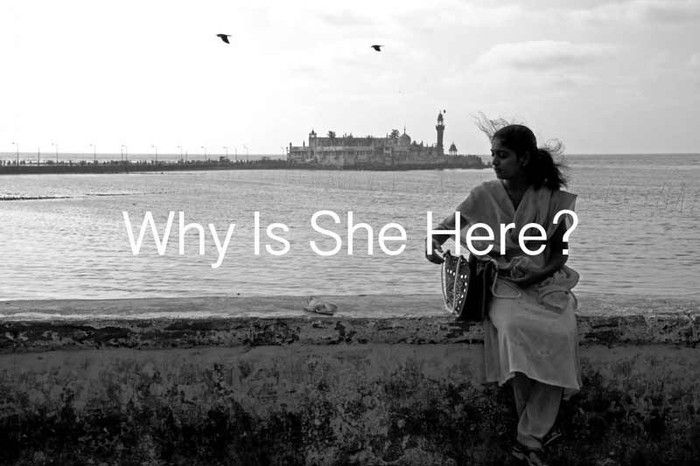
I have witnessed men loitering near chai stalls, small shops, etc. without any purpose. But if a woman stands there for leisure everyone turns towards her and pass judgmental comments “Why is she here? ” Don’t they have an implicit right to loiter or is it that this right remains with men only? A separate coach for women has been provided in metros. Why is there even a need for it? Bangalore and Delhi airports have 1 queue for women and 4 queues for men. The decision maker has assumed that women do not spend so much time outside, so we should build the city according to the needs of the men. If someone disagrees with me, name one place which is created for breastfeeding?

I came across an interview where a woman was walking on the road along with her husband. Boys on a bike passed vulgar comments to the woman. So they decided to file a complaint in the nearby police station. The policeman, in return, said “tumne dekha hai khud ko, kya pehen rakha hai? Aise kapde pehenogi aur raat ko ghoomogi sadkon par toh aise hi hoga.” And this took me back. So it was her fault for being mistreated and that she didn’t follow cultural norms. Roads are public property for males and it’s a crime for women to loiter there after 8 pm. The disheartened case of Nirbhaya faced criticism. The rapist justified his act by saying that it was too late and she was wandering with a guy so they were teaching her a lesson. So they justified the inappropriate behavior by punishing her for invoking the right to walk through the public space which is reserved only for men. Lack of public toilets for women, fewer queues at metro stations and airports, sexual harassment and curfews for women contribute towards making the outdoor environments inhospitable for women.
By challenging the rights of women and LGBTQ community for access to public space, the society is restricting their right to exist. The discussion should shift from “Why is she here? ” to “Why can’t she be here?”
Recommended

You Are My Soniya Chords - Alka Yagnik & Sonu Nigam - Kabhi Khushi Kabhi Gham