Internet In India After Jio

Mar 28, 2019 • 13 views
The Internet is great, especially for a democracy like India. India didn't have internet for a fair share of the decade. At least the new-found relevancy it has now was never there. Internet was a niche, the prices were off the roof and people didn't find it useful enough. The niche was thriving, with its small audience and free and fair internet.
Then, Jio happened and everything changed. The "scheme" drew people from all walks of like. Most of them, digitally illiterate i.e. having none to slightest of the clue of how the internet worked. Internet in its most basic essence is a resource to connect people and do things which are beyond imaginable exposure to people. For the majority of people in India, the internet was nothing more than a means for entertainment.
India has been a country dominated by faceless corporations for the better part of its history, there has hardly been any recognition to the independent creators and the ones who make it, have to join the corporation some way or the other.
Jio services (to this date) come bundled up with services which clearly violate the rules of Internet Neutrality. Every single service provided by the provider can not work with any other internet service and it uses the daily quota of the users, draining their internet packages.
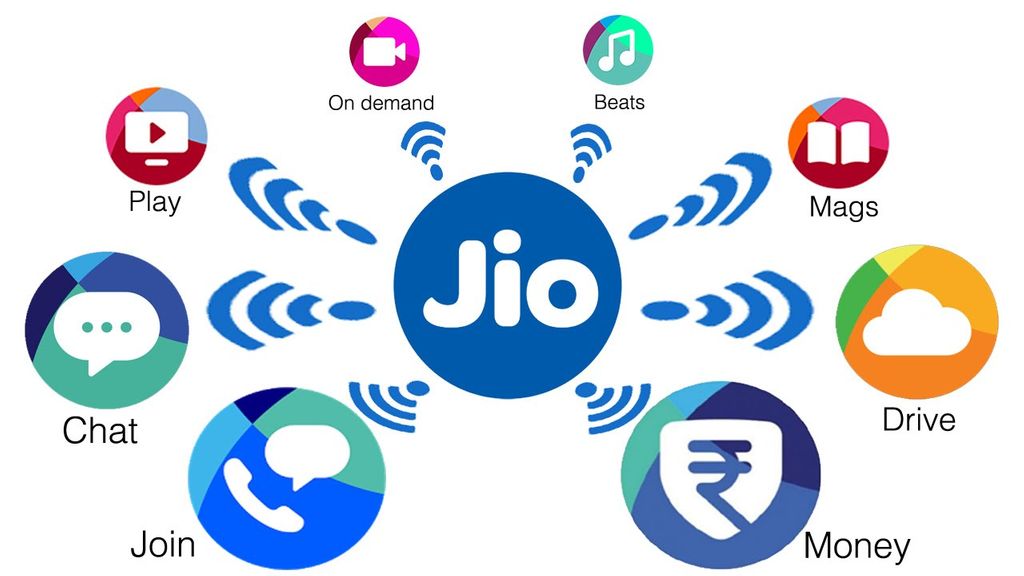
The seemingly "free" internet was just a corporate scheme to draw people in and a typical corporate strategy.
People waited in queues, riots broke out. Just for a Jio sim card. A typical Indian consumer, ignorant to the fact that after a certain point of time, the market would be flooded with the measle sim cards. When the "Jio Frenzy" was over. The company introduced 'Jio Prime' which would ask you to pay 99 rs, just to avail their services. Oh no, the users were delighted to find out that the generous company was ready to give the users 'Jio Prime' for free. Establishing the goodwill and the generosity which seemingly won over the hearts of Indian masses. The story of the companies manipulative practices only continues to get worse like gradual increment in prices, no flexible plans, huge data plans, consumer traps and so on. As for now, consumers have to pay a nominal fee of 99rs for one year access of Jio Prime and above that are the plans which don't cater to most of the demographic, rather aims more on profit maximization.

So, we have a country with an abundance of access and no internet knowledge. How does a nation change? For the better or worse, it has been pretty polarizing for India. More access has resulted in a more connected country, more informed citizens, more exposure and so much more.
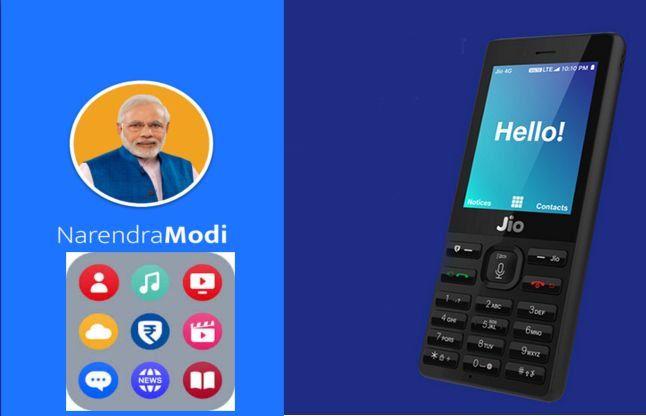
Jio's practices have been beyond questionable. From a special 'Narendra Modi App' on their dirt cheap JioPhone to banning of Various websites and even online games. There have been many theories that Jio has always had the support of the currently in power BJP but there has been no substantial evidence for it. Rather BJP has succeeded in harnessing the power of Jio in its favour by rampantly spreading its propaganda. Winning the hearts of 'Baby Boomers' by banning porn sites and online games like PlayerUnknown's Battlegrounds Mobile. This propaganda has been so successful that the majority of the videos uploaded to YouTube are pro-Modi.
Due to sudden exposure, the users of India have been limited to a certain bubble of popular internet. Already popular websites and platforms got more popular and the less popular faded into obscurity. The bubble has developed so much that it is functionally not breakable.
Whatsapp and Youtube suffer the most as the 'Boomers' who never had access to any kind of pornographic media resorted to misogynistic, cheaply made videos from the rural areas of India which were devoid of any skill or talent. 'Sapna Chaudhary' benefitted the most from this and rose to superstar levels of popularity and even landed herself Bollywood role for a short while. Videos like these still continue to be prevalent in the Indian internet space.
News sources without any credibility also rose to millions of subscribers.
India ranks 138 on the press freedom index, even due to the abundance of internet access. Propaganda has spread everywhere. We just don't call it propaganda anymore.
Recommended

Surging Traffic During The Covid-19 Pandemic Is Slowing Down The Internet
Janiye Chords - Chor Nikal Ke Bhaga - Yami Gautam & Sunny Kaushal