The Role Of Data In Improving Golf Performances

Apr 03, 2026 • 3 views
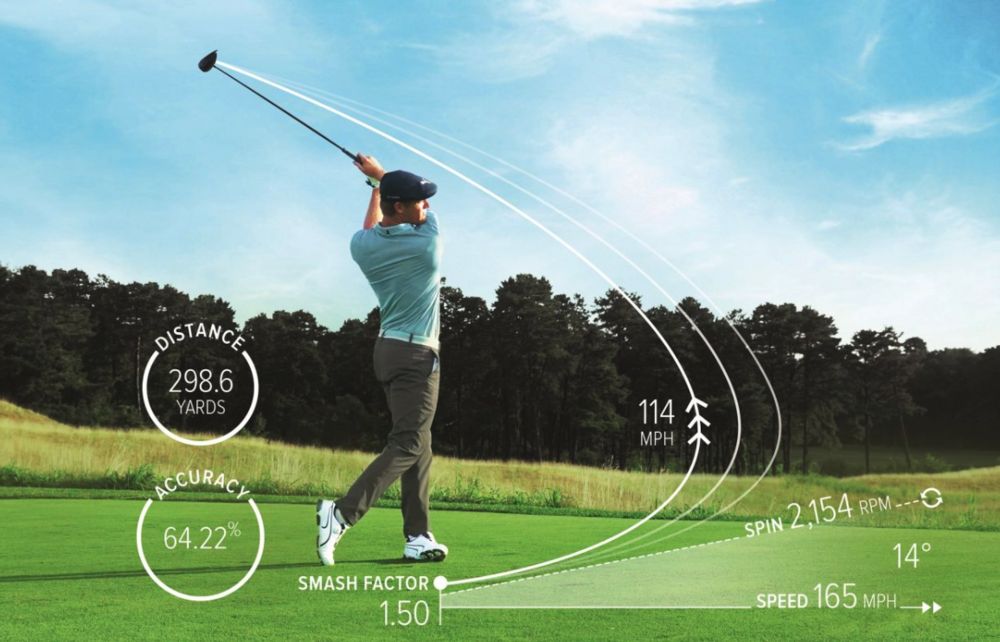
In recent years, data analytics and technology have transformed golf from an intuition-driven sport into one deeply grounded in measurable performance insights. Data analytics and technology are also what makes 1xBet Nepal possible, and you can join it to make great bets on golf too.
Whether for professional players or dedicated amateurs, data has become a fundamental tool in 3 ways
by understanding;
in tracking;
and by enhancing individual golf performance.
One of the most visible impacts of data in golf is performance tracking. Modern systems, from mobile apps to dedicated sensor networks, capture detailed statistics on every facet of the game. 5 common examples are fairways hit, greens in regulation, putts per round, sand saves and penalty strokes. At the Nepal 1xBet betting platform, you will also find great wagers on what happens during great golf events.
Analysing this performance data helps players and coaches identify which areas of the game are strong and which need targeted practice. Over time, these insights make it possible to monitor progress numerically rather than relying on feel alone.
Analyzing various aspects of the sport
Advanced hardware and analytics have also raised the precision of swing analysis. Devices like launch monitors and Doppler-based radar systems measure various parameters, with 5 examples being clubhead speed, ball speed, spin rate, launch angle and shot dispersion. Tools such as TrackMan provide comprehensive shot data that coaches and players can use to refine technique and equipment choice with a level of detail previously unimaginable. The result is twofold: more efficient practice sessions and faster technical improvements.
Wearable technology and real-time feedback have further enabled immediate performance adjustments. Golfers now wear sensors and use smartwatches that measure a few metrics on a shot, with 3 examples being swing speed, body rotation and acceleration through a shot. These data streams can be reviewed instantly or tracked over time, giving both players and instructors a dynamic profile of 3 indicators: performance trends, weaknesses and strengths. This leads to highly personalised coaching that can adapt as the golfer improves.
Finally, the sheer volume of historical golf data, in some platforms reaching billions of recorded shots, enables comparative benchmarking. Golfers can compare their statistics with peers of similar handicaps or with elite tour professionals. This context helps in 2 ways: set realistic goals and informs practice plans that are tailored to closing specific performance gaps.
Recommended

Tum Se Chords - Teri Baaton Mein Aesa Uljha Jiya - Sachin Jigar
Mera Yaar Chords - Javed Bashir & Shankar Ehsaan - Bhaag Milkha Bhaag