Live Casino Result Explained: Casino Live Scores & How They Work

Feb 11, 2026 • 31 views
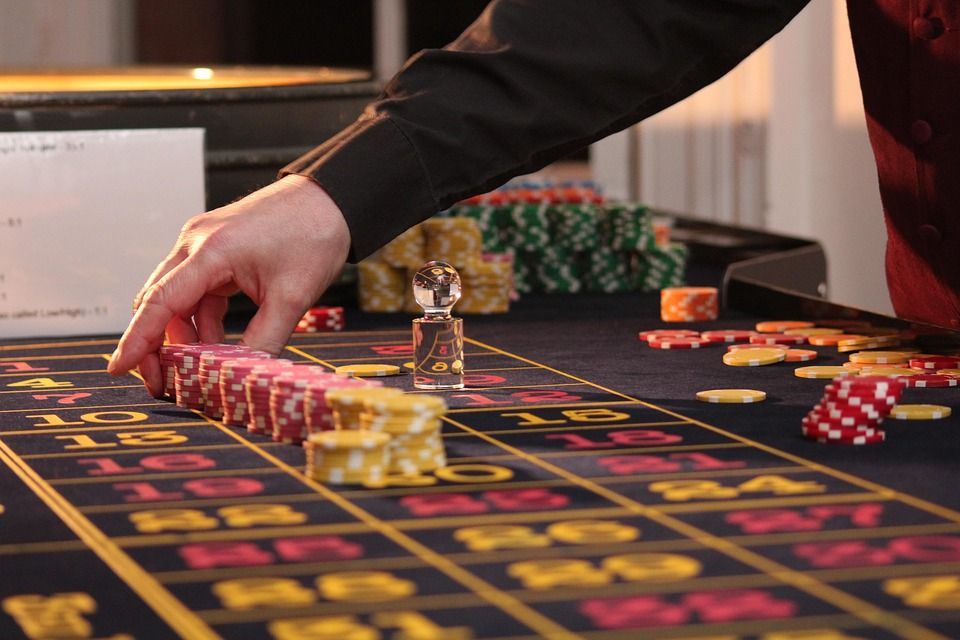
Welcome to the live casino arena—where the cards snap, the wheel sings, and the suspense isn’t simulated… it’s dealt in real time. A live casino result is simply the official outcome of a round that’s run by a human dealer (or studio host): the roulette number and color, the blackjack hand that stands (or busts), the baccarat side that wins, or the multiplier that lights up a game-show bonus. And yes—players love to watch casino live scores because they’re the instant replay: a running feed of what just happened, what’s been landing lately, and how the table’s “storyline” is unfolding.
But let’s set expectations like a pro before the opening whistle: in live dealer games, outcomes are produced by physical equipment—real wheels, real cards, real studio procedures—wrapped in integrity controls designed to keep the game fair and auditable. That’s a different world from purely RNG-driven slots, where software alone determines every spin. In live formats, the drama is human, the gear is tangible, and the result is the final score on the board—clean, timestamped, and settled.
What a “Live Casino Result” Actually Means
A “live casino result” isn’t a mystery code or a secret algorithm. It’s the plain-English answer to one question: Who won this round, and what exactly was the final outcome? Depending on the game, that might look like:
Roulette: the ball lands on 17 Black (or 0 Green—hello, plot twist).
Blackjack: the hand resolves—player wins, loses, pushes, or busts.
Baccarat: banker, player, or tie—plus optional side bets settling.
Live game shows: a wheel stop, a ball draw, a bonus trigger, or a multiplier that upgrades the payout.
Here’s the key distinction players often blur together:
Outcome determination is how the result is created. Think wheel spin, card dealing, shoe procedures, or studio-controlled game-show mechanics. In other words: the moment the “play” happens.
Outcome display is how the result is presented to you. That’s the on-screen confirmation, the round history, the scoreboard strip at the bottom, or the last-20 results panel that updates after settlement. Same result—different delivery.
When you see a result in the interface, you’re not looking at a “guess.” You’re looking at the settled call—like the referee’s signal that the play counts.
How Results Are Produced in Live Dealer Games
The physical layer: wheels, cards, and studio controls
Picture the studio like a broadcast booth crossed with a casino pit. Cameras are positioned to capture the action clearly: the roulette wheel, the dealer’s hands, the card layouts, the game-show wheel face—everything that matters when it’s time to lock in a result.
Roulette: the wheel is spun, the ball drops, the dealer calls the number, and the table settles.
Cards: cards are shuffled (often with professional procedures and equipment), dealt in view, and placed so the camera can verify the hand.
Studio controls: lighting, camera angles, and table procedures are designed to reduce ambiguity and support auditing.
Regulators don’t just shrug and say “good luck.” They emphasize extra integrity controls around how physical devices are supplied, installed, and operated in live dealer environments.
Bottom line: the “result” isn’t born in your phone screen. It’s born on that felt—or in that studio set—under controlled conditions meant to keep the game fair.
The digital layer: how the result reaches your screen
Now for the tech relay race. Once the real-world action happens, the system has to translate it into a clean, confirmed outcome that your betting interface can settle.
A simple way to visualize the pipeline:
Studio action → capture & verification → game server interprets → platform settles → your device displays
The crucial point is that the outcome from the live environment gets passed into the internet gaming system that manages the rest—bets, balances, settlement, and the UI you see. In one regulatory framework, it’s stated plainly: the live dealer outcome is communicated to the internet gaming platform, which then handles patron interaction.
So when you watch the result pop up—number confirmed, hand resolved, bonus applied—you’re seeing the last step of a chain: physical event → recorded outcome → settled transaction → displayed history.

Casino Live Scores vs. In-Game History: What’s the Difference?
This is where many players mix up the official scoreboard with the highlight reels.
In-game results/history is the round history shown inside the operator’s own live casino interface. It’s tied directly to that table session—often the most authoritative “what just happened” view for your specific round.
Casino live scores, on the other hand, usually refers to third-party trackers that display recent rounds for popular live titles (especially roulette variants and live game shows). These trackers may include extra overlays like streak counts, distribution snapshots, or “last X rounds” feeds. Sites that provide real-time stats and tracking for certain live games describe themselves as offering live results and statistics—useful for following the action, but not automatically an official source for every table and every operator.
A smart way to think about it:
In-game history = the official score shown on the stadium screen.
Third-party live scores = a stats broadcast that can be helpful, but should be treated as supplementary, especially if there’s ever a discrepancy.
If you’re checking a specific bet you placed, trust your operator’s settled result first. If you’re watching trends for entertainment or context, casino live score trackers can add color—just don’t confuse “interesting stats” with “predictive power.”

Where to Find Live Casino Results
Alright, let’s talk about where the scoreboard lives—because in a fast-moving arena, the smartest players know which screen is the official one. A result can be real and still be shown in different places with different levels of certainty. Why? Because live dealer outcomes start in the studio with physical equipment and integrity controls, then get communicated to the gaming platform that settles bets and displays the final call. That chain is exactly why some sources are rock-solid for verification, while others are better as “broadcast commentary.
Think of it like this: the operator’s interface is the official match report; the provider overlay is the TV graphic; third-party trackers are the sports talk recap; and random screenshots… well, that’s the “my cousin swears he saw it” department.
What Can Influence the Result Display
Here’s the twist that trips people up: the outcome can be settled correctly, but your screen may show it a beat later—or even in a slightly different order—depending on the tech between you and the studio.
Why your display may differ from someone else’s
Stream latency and buffering (your video can be a few seconds behind)
Client refresh delays (older phones and busy browsers can lag)
Network routing differences (your path to the server isn’t the same as your friend’s)
Packet loss or brief signal drops (small hiccups cause re-sync delays)
UI “history” updating after settlement (some panels update only once the round closes)
Time zone / timestamp formatting (same event, different clock display)
Table limits or seat availability (you may be viewing a different “instance” or view-only mode)
Temporary disconnections and auto-reconnects (you rejoin mid-sequence)
App/web version differences (cached data vs fresh pulls)
The big takeaway: outcome vs display. The outcome is the referee’s whistle; the display is the stadium screen updating. Confusing the two is how myths are born—and how harmless delay turns into “something fishy,” even when it’s just your Wi-Fi running a slow 40-yard dash.

Can You Predict a Live Casino Result?
Now we’re in the part of the broadcast where everyone leans forward and whispers, “Is there a tell?” I get it. Watching a wheel land on red five times in a row feels like a storyline. But here’s the sober replay: roulette spins and card outcomes aren’t practically predictable just because you’ve watched a string of previous rounds.
In roulette, each spin is its own play. The wheel doesn’t “remember” what happened before. In card games, outcomes depend on the sequence of cards and the procedures used in the studio—shuffling, dealing, shoe changes—none of which becomes forecastable simply because you stared hard at the last ten hands. The human brain loves patterns the way fans love comebacks: we’re wired to find meaning in streaks.
That’s where the hot/cold psychology comes in. A “hot table” can be fun to follow, and a “cold run” can feel like a curse—but those labels are commentary, not certainty. Trackers and histories can show you what already happened, which is great for transparency and entertainment. But past results don’t guarantee future outcomes—no matter how dramatic the sequence looks on the ticker.
If you treat result history like a weather forecast, you’ll get disappointed. Treat it like a game recap—informative, interesting, sometimes hilarious—and you’ll stay on the right side of reality.
How to Use Casino Live Scores Responsibly
This is where we tighten the chinstrap and play smart. Casino live scores can be a useful window into recent rounds—just don’t let them become a superstition machine.
Smart ways to read live results (numbered checklist)
Use results for entertainment and transparency, not certainty
Confirm whether you’re viewing official in-game history or a third-party display
Look for round identifiers/timestamps when available before drawing conclusions
Treat streaks as patterns in the past—not signals for the next round
Avoid “must win next” thinking (that’s a mental penalty flag)
Set bankroll and time limits before you start; stick to them like a game plan
If you feel tilted, step away—momentum is emotional, not mathematical
Responsible play doesn’t have to sound like a lecture. It’s just good discipline: you wouldn’t bet your whole season on one highlight reel—so don’t bet your budget on a streak graphic either.
Practical Examples
Scenario A: Roulette shows “last 20 numbers”—what it means.
You open a table and see a neat row of the last 20 hits: a couple of reds, some blacks, maybe a lonely green zero sitting there like the villain in the third act. That panel is a recap—useful for context and for spotting what’s been landing recently. But it’s not a prophecy. The next spin isn’t “due” to balance the colors. It’s just the next play.
Scenario B: Blackjack hand history—why shoe changes matter.
You’ve been watching a table where the dealer keeps pulling strong totals, and you think you’ve cracked the code. Then—bam—new shoe, shuffle procedure, or a visible transition that resets the rhythm. That’s the reminder: even when a history panel is accurate, the underlying conditions can change. Hand history explains the past; it doesn’t lock the future in place.
Scenario C: Live game shows—multipliers and “recent bonus rounds.”
A tracker shows recent multipliers and a few bonus triggers, and you feel the adrenaline: “It’s heating up!” What you’re really tracking is a sequence of prior outcomes—often presented with stats overlays like streaks or distributions. It can be fun, and it can help you follow the action, but it’s still a highlight package, not a guarantee that the next round will pop.

FAQ
1) What does “live casino result” mean?
It’s the final, settled outcome of a live-dealt round—like the roulette number/color, the resolved blackjack hand, the baccarat winner, or a game-show multiplier.
2) Are casino live scores always accurate?
Not always. Official in-game history is typically the most reliable for your bet. Third-party feeds can be helpful, but they may lag, track only certain tables, or present results differently.
3) Where do live casino results come from—dealer or software?
The outcome is produced in the live environment (dealer + physical equipment + studio procedures) and then communicated to the gaming platform that settles bets and updates the UI.
4) Why do I see different timing results than my friend?
Usually it’s delay: stream latency, device performance, network routing, re-sync after disconnects, or history panels updating only after settlement.
5) Can I use live results to predict the next round?
You can use them to review what happened, but not to predict with certainty. Streaks are compelling, yet they don’t guarantee the next outcome.
6) Do regulators require integrity controls for live dealer games?
Yes—regulators emphasize integrity measures around physical equipment and controls in live dealer setups.
7) Is “result history” the same as RTP?
No. Result history is a log of recent outcomes. RTP is a long-run theoretical return calculation (mainly discussed for RNG-based games), not a promise based on short streaks.
8) What should I do if a result looks incorrect?
First, check the operator’s in-game history and round details (if available). If you still suspect an issue, contact support promptly with the table name, approximate time, and any round identifiers or screenshots you captured.
Recommended

You Are My Soniya Chords - Alka Yagnik & Sonu Nigam - Kabhi Khushi Kabhi Gham
Tum Se Chords - Teri Baaton Mein Aesa Uljha Jiya - Sachin Jigar