How The Bingoplus App Simplifies Cross-Platform Mobile Access

Sep 10, 2026 • 1 view
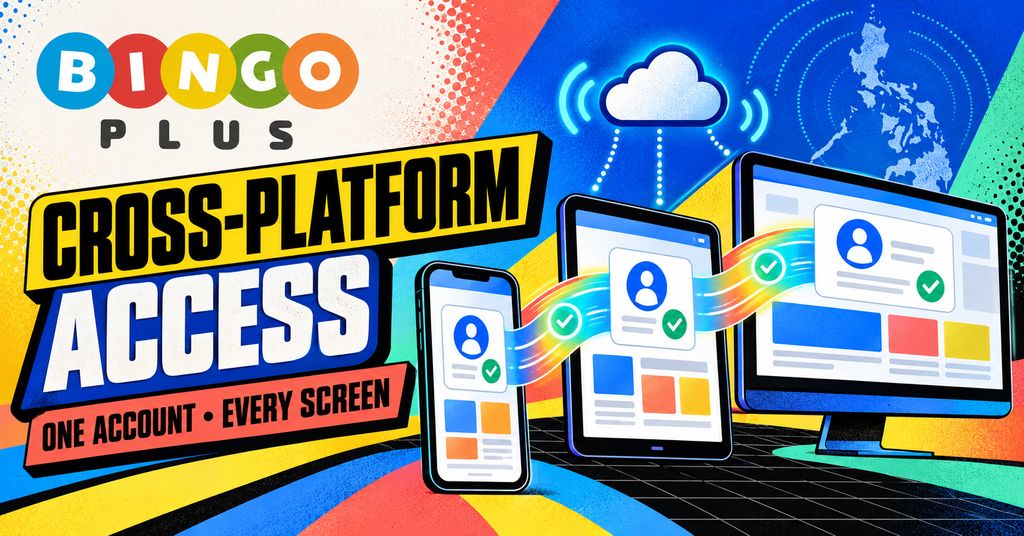
Mobile users expect applications to feel familiar from the first screen. They want clear navigation, device-specific installation guidance, secure account access, and visible support options without having to search through unrelated pages.
The BingoPlus app is part of a wider mobile experience designed for eligible users in the Philippines. Its official access journey distinguishes between Android, iPhone, and iPad devices while connecting users with account, rewards, support, and platform information.
This cross-platform approach helps users understand what to expect before installation and where to find assistance after the app is opened.
Mobile Onboarding Begins Before Installation
Onboarding is often associated with the screens shown after an app launches. In reality, the process begins when a user first searches for the application.
Before installation, users need to know:
Whether they have reached an official source
Which route matches their device
What compatibility requirements may apply
How to identify the expected application
Which permissions may be requested
Where to obtain installation help
How to reach official account access
A page that provides only a download button leaves many of these questions unanswered. A dedicated App Center can prepare users for the complete journey rather than treating installation as an isolated action.
Why Android and Apple Need Separate Guidance
Android, iOS, and iPadOS use different application environments. The correct installation process depends on the device platform.
Android Access
Android users may be directed to an approved store or an official Android installation route. If an APK is involved, the user should understand that it is an Android application package.
The file source, application identity, publisher information, and installation prompt should be checked before continuing.
iPhone and iPad Access
Apple devices do not install Android APK files. iPhone and iPad users should follow the current iOS or iPadOS route shown by the official platform.
Store availability, Apple ID settings, regional conditions, and operating system compatibility may affect the process.
Separating these routes reduces confusion and prevents users from attempting to install an incompatible file.
A Better First-Time User Journey
A well-designed mobile onboarding sequence introduces the app gradually. It does not require users to understand every feature immediately.
The journey can be divided into several practical stages:
Verify the official source.
Select the correct device.
Review installation guidance.
Confirm the app identity.
Install the application.
Open the app and review the main navigation.
Access or recover an account through the official route.
Locate support and responsible-use resources.
This sequence gives each decision a clear purpose. It also creates opportunities to present privacy reminders before sensitive information is requested.
The Importance of a Recognizable Home Screen
The first app screen should help users understand where they are and what they can do next.
A useful home experience may connect users with:
Current platform categories
Account access
Rewards information
Help resources
Security guidance
Responsible-use controls
Important service notices
The home screen should prioritize clarity over visual overload. Too many competing banners, animations, or buttons can make essential account and support functions harder to locate.
Consistent labels also matter. If a feature is called “Account” in one area, using an unrelated name elsewhere may confuse users.
Account Access Should Remain Distinct
Application installation and account login are connected, but they are not the same action.
A user may install the Bingo Plus app successfully and still experience an account issue. Likewise, an account may work correctly even when a particular device has an installation problem.
Keeping these issues separate helps users choose the right solution:
Installation failures require device or app checks.
Incorrect credentials require login assistance.
Lost contact details may require account recovery.
Verification-code problems require a secure resend or support process.
Suspicious activity requires immediate account-security attention.
Reinstalling the app should not be presented as a universal solution to every access problem.
Permissions Should Be Explained in Context
Applications may request access to device features to support specific functions. Users should understand why a permission appears before approving it.
Common permission categories can include:
Notifications
Local storage
Camera access
Biometric authentication
Network access
Location-related settings
The exact permissions can vary by device, operating system, and application version.
Users should compare every request with the visible purpose of the app. If a permission appears unexpected, the safer choice is to pause and verify the application source.
Many permissions can be reviewed later through the device settings. Users should periodically confirm that each installed application has only the access they are comfortable providing.
A Verified Cross-Platform Starting Point
Search results for Bingoplus app, Bingo Plus app, or Bingo Plus APK may lead to a mixture of official information, old tutorials, third-party download collections, and copied landing pages.
For users who want one place to select the appropriate Android, iPhone, or iPad route, examine installation precautions, verify the app identity, and continue to official account or support resources, the BingoPlus app center provides a device-aware starting point that keeps the core guidance consistent without treating unrelated third-party mirrors as approved download sources.
Beginning from a verified domain reduces the risk of installing an altered, outdated, or incompatible file.
What Users Should Check Before Downloading
A short pre-installation review can prevent many avoidable problems.
Confirm the Domain
Read the full hostname. Do not rely only on the logo, page colors, or title displayed in a search result.
Select the Correct Device Route
Android, iPhone, and iPad instructions should not be treated as interchangeable.
Review Compatibility
Check the current operating system, available storage, and any technical notes shown on the official page.
Verify the Application Identity
The application name, publisher, source, and installation prompt should match the expected information.
Examine Permissions
Unexpected requests should be reviewed before approval.
Keep Account Details Private
A download page should not ask users to send passwords, PINs, or one-time verification codes through chat or email.
Navigation Should Work Across Screen Sizes
Cross-platform design also includes different screen dimensions. A mobile interface may appear on compact phones, large-screen phones, foldable devices, and tablets.
Responsive design should maintain:
Readable text
Touch-friendly buttons
Predictable menus
Clear category labels
Stable account controls
Visible support links
Appropriate image dimensions
Accessible contrast
Tablet layouts may display more information at once, while phone layouts may stack content vertically. The presentation can change without changing the purpose of the navigation.
Network Conditions Affect Mobile Experience
Mobile users may move between home Wi-Fi, public networks, and cellular data. Connection quality can affect downloading, authentication, image loading, and account verification.
If the app appears unresponsive, users can check:
Whether the internet connection is stable
Whether other trusted services load correctly
Whether a VPN or network filter is interfering
Whether the app requires an update
Whether the device has sufficient storage
Whether the operating system is current
Users should avoid repeatedly submitting account information when the connection is unstable. Multiple incomplete requests may create confusion about whether an action was processed.
Secure Sign-In After Installation
After confirming the official application, users should continue applying the same caution during login.
Before entering credentials:
Confirm that the installed app is the expected application.
Use only the official sign-in screen.
Keep passwords and PINs private.
Never provide a one-time code to another person.
Avoid account actions while using an unsecured public network.
Use the official recovery process when normal access fails.
A person claiming to provide support should not request an active verification code. Such codes are intended for the account holder.
Updating Without Losing Confidence
Applications receive updates to improve compatibility, security, stability, or functionality. Users may see an update notice after opening the app or when returning after a period of inactivity.
Before updating, users should confirm that the update route comes from the official source. Unsolicited messages promising a special version should be avoided.
A sensible update process includes:
Reviewing the update destination
Checking available storage
Maintaining a stable connection
Allowing the installation to finish
Reopening the app
Confirming that account and navigation functions operate normally
If the update fails, users should refer to current official guidance instead of downloading a replacement package from an unknown repository.
Accessibility Supports Better Onboarding
A mobile experience should be understandable to users with different levels of technical familiarity.
Helpful accessibility features include:
Plain language
Descriptive button labels
Sufficient text contrast
Logical heading order
Screen-reader support
Visible focus states
Instructions that do not rely only on color
Error messages that explain the next step
For example, “Installation failed” provides little assistance. A more useful message identifies whether the issue relates to storage, compatibility, network conditions, or another known cause.
Clear error states reduce frustration and make the onboarding process more inclusive.
Official Support Completes the Mobile Journey
Installation guidance cannot anticipate every device combination or account situation. A clear support route remains essential.
Before contacting support, users can prepare:
Device model
Operating system version
App environment
Approximate time of the issue
Exact error message
Troubleshooting steps already attempted
A screenshot with private data hidden
Users should not send a password, PIN, complete payment information, or active verification code.
The support request should identify whether the problem concerns installation, login, account recovery, app navigation, or another specific function.
Responsible Mobile Use
The convenience of a mobile app can make entertainment available throughout the day. Users should therefore set personal boundaries before opening the platform.
Practical limits include:
A fixed entertainment budget
A defined session duration
Scheduled breaks
Notification controls
No participation during work or essential responsibilities
No attempts to recover losses
Regular reviews of time and spending
The BingoPlus service is intended only for eligible users aged 21 and above in the Philippines who satisfy current identity, location, account, and platform requirements.
If maintaining personal limits becomes difficult, users should stop and use the available support, restriction, or self-exclusion resources.
Why Cross-Platform Consistency Matters
Users should not have to relearn the complete platform whenever they move between a phone, tablet, and desktop browser.
Cross-platform consistency helps preserve:
Brand recognition
Navigation familiarity
Account confidence
Support accessibility
Security expectations
Responsible-use awareness
The layout may adapt to each device, but the terminology, official routes, and privacy principles should remain recognizable.
This creates a more dependable relationship between the app and the wider BingoPlus digital ecosystem.
Final Thoughts
The BingoPlus app experience begins before the file is installed. Official-source verification, device selection, compatibility guidance, permission awareness, and secure account access all contribute to a clearer mobile journey.
Android, iPhone, and iPad users should follow the route designed for their device rather than relying on generic download instructions. They should also verify every update and keep sensitive account information private.
A well-designed App Center makes mobile onboarding easier by connecting installation, account, support, and safety information without overwhelming the user.
Bet responsibly, live a wonderful life. Digital entertainment involves risk, does not guarantee returns, and should remain a controlled leisure activity for eligible adults.
Recommended

You Are My Soniya Chords - Alka Yagnik & Sonu Nigam - Kabhi Khushi Kabhi Gham
Janiye Chords - Chor Nikal Ke Bhaga - Yami Gautam & Sunny Kaushal
Tum Se Chords - Teri Baaton Mein Aesa Uljha Jiya - Sachin Jigar