How Are Formula 1 Tracks Designed?

Jun 15, 2026 • 1 view
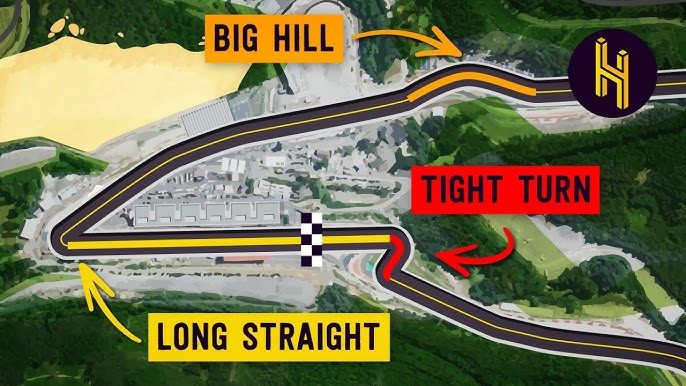
Designing a Formula 1 circuit is a complex process that combines 3 elements: engineering, safety science, and creative layout planning. By deciding to make the 1xBet download procedure, it will also be possible
Modern tracks are not simply drawn for speed. Instead, they are carefully developed to balance 3 key goals:
performance;
safety;
and exciting racing.
In 1st place, the process usually begins with a concept. Designers, often specialized firms, sketch an initial layout based on available land, geography, and logistical constraints. 3 examples of those constraints are access roads, infrastructure, and environmental limits. Every Grand Prix from a Formula 1 season is available to bet on the go once you decide to download the 1xBet platform into your mobile device.
These early ideas are then tested using advanced computer simulations that model how Formula 1 cars will behave on the track. Engineers analyze multiple factors, with 4 of them being lap times, tire wear, braking forces, and overtaking opportunities. By considering those factors, they refine the design repeatedly until it meets performance targets.
Achieving the proper layout
A crucial part of track design is the layout itself. Contrary to popular belief, circuits are not built around the number of corners but around braking zones and overtaking opportunities. Designers typically include long straights followed by heavy braking areas, allowing drivers to attempt passes. Designers want to challenge drivers and create varied racing conditions by mixing 3 events: high-speed corners, technical sections and flowing sequences.
Safety is the most important consideration in modern Formula 1 circuit design. Tracks must comply with strict regulations set by the FIA (Fédération Internationale de l’Automobile) to achieve “Grade One” certification, which is required to host a Grand Prix. This includes specifications for 5 features: track width, run-off areas, barriers, fencing, and visibility. Engineers carefully calculate what happens if a car leaves the track at high speed, ensuring there is enough space and protection to reduce the risk of serious accidents.
Equally important is the track surface and physical construction. The asphalt must provide consistent grip while withstanding extreme forces generated by Formula 1 cars. Designers also consider slopes, elevation changes, and drainage systems to ensure the track remains safe and predictable in both dry and wet conditions.
Finally, the circuit is built and inspected before receiving official approval. Even after completion, tracks are often modified based on real race data to improve safety or racing quality.
Recommended

Kasam Ki Kasam Chords - A.R.Rahman & Shaan - Kabhi Khushi Kabhi Gham
Janiye Chords - Chor Nikal Ke Bhaga - Yami Gautam & Sunny Kaushal