Healthy Eating Habits Among Filipino Athletes: Nutrition Tips And Local Superfoods

Dec 04, 2025 • 5 views
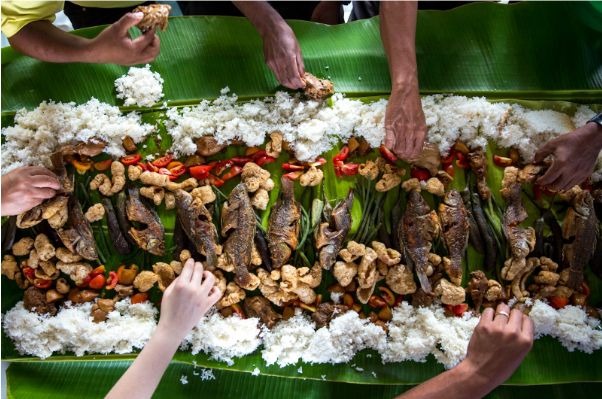
Healthy Eating Habits Among Filipino Athletes: Nutrition Tips and Local Superfoods
Filipino athletes train in one of the most competitive and physically demanding environments in Southeast Asia. Whether it's basketball tournaments, football leagues, combat sports, or endurance races, nutrition becomes a key element of performance. By 2026, more athletes in the Philippines will treat food as fuel, eating balanced meals, recovery foods, hydrating, and using local superfoods smartly. They shape habits that improve not just their strength and speed but also mental clarity, injury prevention, and daily resilience.
Local Superfoods That Power Filipino Performance
The Philippines has a rich food landscape that naturally supports athletic lifestyles. Many athletes prefer local produce because it’s fresh, nutrient-dense, and culturally familiar.
Malunggay (moringa) remains one of the top choices for boosting immunity and reducing inflammation. It’s blended into soups, sautéed with eggs, or turned into smoothies.
Camote (sweet potato) fuels training days with slow-release carbohydrates. Basketball players and runners often rely on it for sustained energy.
Saba bananas offer potassium for muscle function and quick recovery after intense training.
Ginger and turmeric are often used in meals for their anti-inflammatory benefits, especially for fighters and athletes working through high-impact routines.
These local ingredients make nutrition accessible without sacrificing tradition.
Balanced Plates and Smart Meal Timing
Filipino athletes typically build their meals around three major components: carbohydrates for quick energy, protein for muscle recovery, and healthy fat for hormones. They particularly enjoy brown rice or red rice or even sweet potato (camote) and whole-grain bread as their carbohydrate source. Protein sources often include chicken breast, tuna, tilapia fish, eggs, legumes, and tofu. Healthy fats come from yummy coconut- ripe avocado nuts olive oil! Meal timing is also something they are very keen on paying attention to/pre-workout carb-heavy meal/post-workout protein snack recovery/. Staying well hydrated in this humid climate of ours with water/electrolyte drinks/fresh buko juice(body temp regulation/cramp prevention) By eating at the right times during long practices until the end session without feeling tired mid-session.
How Athletes Use Online Platforms to Guide Their Routines
Filipino athletes share workout clips, meal preps, and recovery routines on TikTok, Instagram, and long-form YouTube vlogs. Fans follow these posts to learn new recipes, track progress, and stay updated on training lifestyles.
This digital rhythm also extends to game nights. Many fans watching basketball or football matches add a fun competitive layer by joining prediction pools or placing small wagers through platforms like betting site, treating it as a casual, social extension of their sports engagement.
This mix of training content, community participation, and interactive habits mirrors how modern Filipino sports culture operates – always connected, always evolving.
Popular Dishes That Fit an Athlete’s Lifestyle
Several Filipino dishes are now adapted into healthier versions for training cycles:
Tinola with malunggay and ginger – light, hydrating, and anti-inflammatory.
Grilled bangus or tilapia – rich in protein and omega-3 fats.
Chicken adobo (low-sodium version) – a lean, flavorful recovery meal.
Ginisang munggo – packed with plant-based protein and fiber.
Lugaw with boiled eggs – gentle on the stomach for pre-game routines.
These meals strike a balance between performance and comfort–an important psychological factor for athletes managing stress and expectations.
Supplements and Modern Nutrition Tools
While whole foods remain the foundation, supplements help athletes fine-tune their intake.
Protein powders support muscle recovery after high-intensity basketball and volleyball sessions.
Creatine assists strength athletes and martial artists with explosive movements.
Electrolyte tablets help football players stay hydrated during midday training.
Omega-3 capsules improve joint health, especially for veterans managing the wear and tear on their bodies.
Nutritionists working with professional teams now use digital tracking tools to monitor macro intake, sleep patterns, and hydration levels, and to create personalized meal plans based on data.
Digital Engagement and Fan Interaction
Online sports communities have reshaped how fans connect with athletes’ lifestyles. People track diet updates, share healthy recipe edits, and react to training vlogs in real time.
During big matchdays, this online presence expands. Many fans incorporate interactive routines into game nights using tools like online casino, joining small prediction games or casual wagers with friends while they follow tournaments.
For many, this dual engagement – fitness inspiration and digital interaction – creates a rounded sports experience that feels modern yet familiar.
Athlete Meal Planning and Discipline
Structured meal planning is now common among professionals and college athletes. They organize weekly menus to avoid guesswork and ensure a balanced diet.
Breakfast often includes oatmeal with bananas, peanut butter toast, or egg-white omelets.
Lunches revolve around lean proteins and vegetables, while dinners are lighter to support recovery and sleep quality.
Athletes also plan snacks strategically – tuna sandwiches, fruit bowls, yogurt, protein bars – to maintain stable energy levels through long school or work days before training.
Recovery Foods and Hydration Science
After intense sessions, athletes focus on recovery meals designed to repair muscle tissue and replenish glycogen. Chocolate milk remains a surprisingly effective post-training drink because of its carb-to-protein ratio.
Athletes also drink buko juice, sports drinks, or water infused with calamansi to aid hydration.
For inflammation control and joint health, they add turmeric tea, ginger broth, or high-antioxidant fruits like mangoes and papayas.
Recovery meals help athletes sustain demanding schedules without burning out.
Looking Ahead: Smarter, More Connected Athlete Nutrition
As training methods improve each year, nutrition science is becoming more precise. Teams work with registered dietitians, coaches study recovery science, and athletes monitor sleep and hydration with wearable tech.
Fans also stay involved through health apps, livestream training sessions, and community fitness challenges. Some extend their digital rituals through tools like MelBet registration, treating prediction games as part of their sports-viewing rhythm.
As the country’s sports ecosystem grows, nutrition will remain a cornerstone, connecting performance, tradition, and the shared Filipino love of sport.
Cultural Roots of Filipino Nutrition
At its core, Filipino nutrition is very human. It focuses on shared meals, home-cooked food, and seasonal products that nourish both the heart and the body. Most athletes remember a childhood kitchen where some vegetables were forced down with fish or stew; balanced eating habits have been formed through such memories of merienda filled with fruits. Even when found abroad-in meal prep containers,-in Filipino restaurants,-or re-created hotel kitchens-these tastes are carried to keep familiarity constant consumption supports mental as well as physical performance because food bananas peanuts leafy greens sardines cacao magnesium omega-3s nerves steady focus training emphasized other forms meditation breathwork mindfulness eating incorporated! This silent foundation behind Filipino athletic excellence combines tradition science self-awareness sustaining dual navigation competitor pressure.
Recommended
