Best App For Aviator Game (2026) – Safe, Fast & Easy To Use

Feb 11, 2026 • 2 views
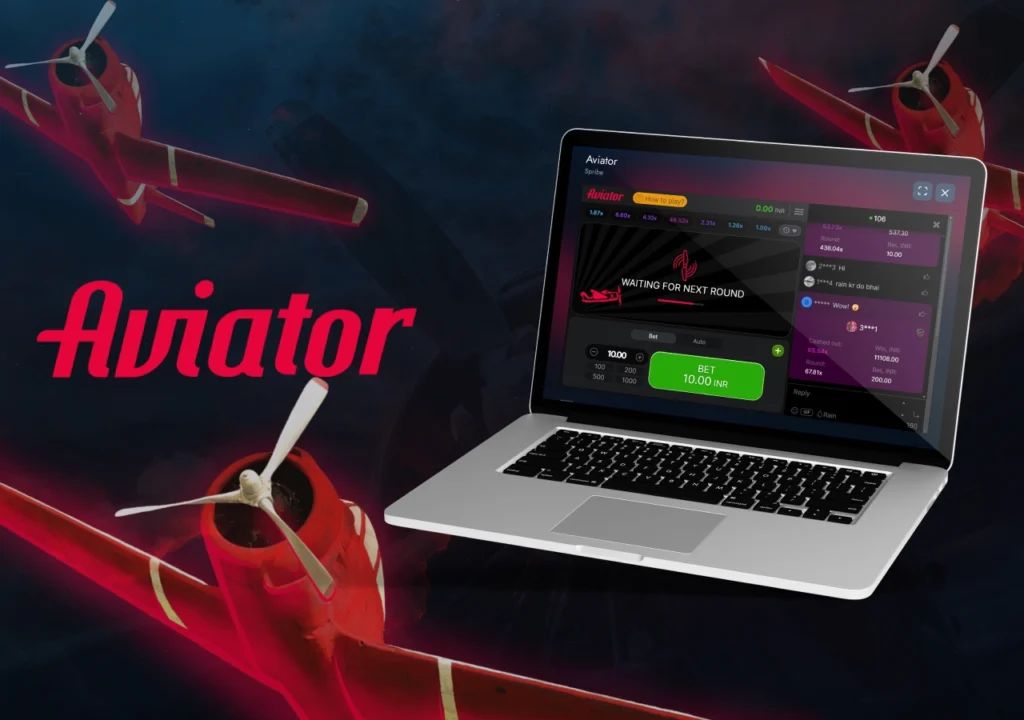
You’re not here for a science fair project—you’re here for the smoothest ride in the sky: quick access, crisp controls, no stuttering spins, and a platform that doesn’t feel sketchy the moment you hit “withdraw.” In other words, when people ask for the best Aviator app, they’re really asking for one thing: confidence—confidence that the game loads fast, the cash-out button responds instantly, and the operator behind the curtain is actually worth your time. That’s the whole ballgame, and we’re going to break it down like a prime-time call under the lights…
Now, let’s set the record straight before the opening whistle: Aviator is a crash game made by SPRIBE, and you typically play it inside a betting or casino platform (mobile app or browser) rather than through one single, universal standalone app that works the same for everyone. SPRIBE describes Aviator as a social multiplayer game with an increasing curve (multiplier) that can crash at any moment—your job is to cash out before that happens.

What Aviator Is and Why the “Best App” Question Is Tricky
Picture the action like a fast break: the round starts, the multiplier begins climbing, and every second you stay in is a bigger potential payoff—until the moment it isn’t. Aviator runs on a rising curve/multiplier that can “crash anytime,” and your win depends on timing your cash-out before the crash hits.
What makes it feel like a live event—rather than a quiet solo spin—is the shared experience. It’s often positioned as a social multiplayer game, meaning you’re watching the same round as other players, and depending on the platform you may see features like chat, bet feeds, and other “crowd noise” elements that add tension and tempo to each takeoff.
Why there’s no single “official Aviator app” for everyone
Here’s the twist that trips people up: Aviator usually isn’t an app you download once and play everywhere. Instead, it’s a game offered by operators—sportsbooks and online casinos—who integrate the Aviator title into their own apps and websites. That means the “best app” isn’t just about the game itself; it’s about the platform hosting it: how it performs, how it handles payments, how it protects your account, and how quickly you can get into a round and out again when you cash out.
So we’ll evaluate “best” the way a commentator evaluates a team: not by the logo on the jersey, but by execution. UX (how fast you find the game and place a bet), reliability (no lag at the worst moment), payments (clear, consistent deposit/withdrawal flow), support (real help when something breaks), and access (safe download sources, stable login, and sensible verification).
How to Choose the Best App for Aviator Game
Let’s talk selection like a draft day. You don’t pick a “best” app on vibes. You pick it on performance—especially with a crash game where a split-second delay can be the difference between a clean cash-out and a painful replay in your head.
Start with raw speed and stability. Aviator rounds move quickly, and your app should keep up: fast loading, responsive controls, and a clean interface that doesn’t bury key buttons behind pop-ups. If your screen freezes when the multiplier is climbing… that’s not drama, that’s danger.
Next, look for control features that help you play consistently. Many crash-game platforms offer things like auto cash-out and auto-bet settings, which can reduce misclicks and decision panic—useful tools for disciplined play (and for avoiding “tilt” when the pace heats up).
Then comes the grown-up stuff: account security, clear bonus terms, and payment transparency. You want an app that treats your account like it matters—secure login options, sensible verification, and a withdrawal flow that’s easy to understand from start to finish. In gambling apps, confusion is never your friend.
Finally, think about trust signals. The “best” app isn’t the loudest app. It’s the one that feels like it can be relied on round after round—because consistency is what separates a smooth experience from a stressful one.
Must-have features checklist
Fast loading and stable rounds (minimal lag)
Clear bet controls (no clutter)
Auto cash-out / auto-bet options (where available)
Responsible gaming tools (limits, time-outs)
Strong account security (2FA/biometrics where available)
Transparent bonus terms (easy to find and read)
Reliable withdrawals with a clear step-by-step flow
Responsive customer support (chat/ticket that actually answers)
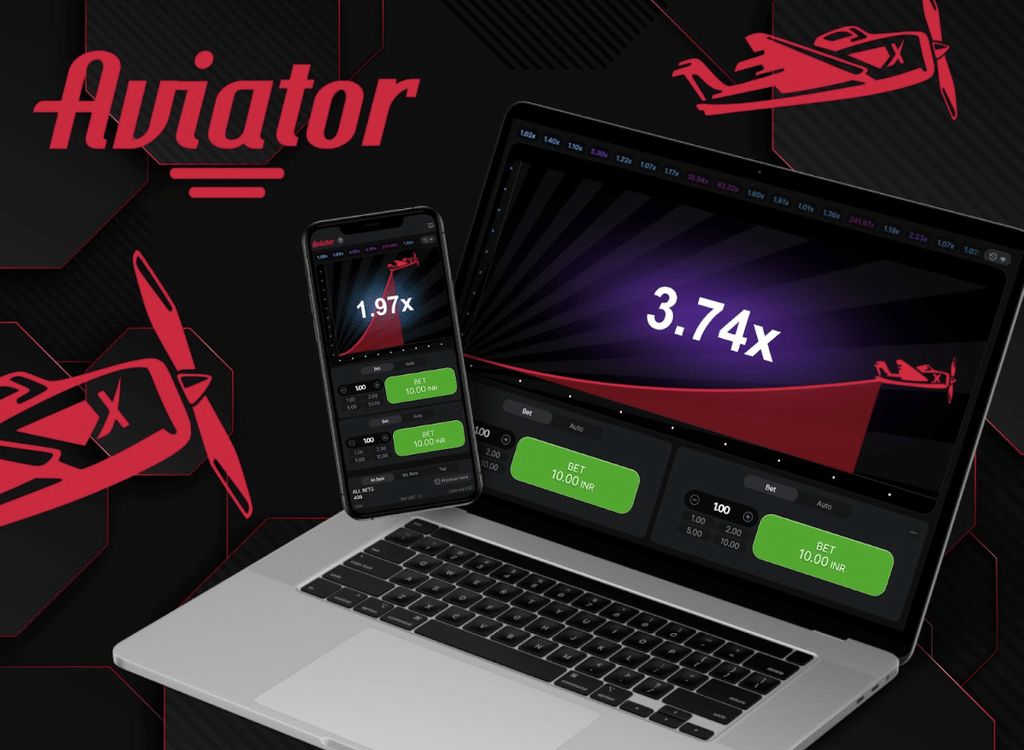
Those features matter more in crash games because timing and clarity are everything. When a multiplier is racing upward, you need the interface to be predictable and the cash-out control to respond instantly—no surprises, no “where did that button go,” no last-second lag. This is one of those games where the app experience is the experience.
Safety and legitimacy signals (what to check before downloading)
Keep this neutral, smart, and simple: regulations vary, and operators may be licensed in different jurisdictions—so the responsible move is to verify the platform’s licensing claims and terms inside the app or on its official site, rather than trusting ads or forwarded links.
Also: download hygiene wins championships. Stick to official app stores when possible, avoid random APK downloads, and be skeptical of “too good to be true” installs shared through social media or messaging apps. Security researchers regularly warn that scammers use malicious apps, phishing, and fake gambling platforms to target users—so treat your download source like you’d treat a suspicious pass in the final seconds: don’t take it.
Quick legitimacy checks that don’t require a tech degree:
Official website links that match the app publisher name
HTTPS/SSL on the operator’s site and clean navigation (no endless redirects)
Clear support contact options and policy pages (terms, privacy, withdrawals)
App reviews that read like humans wrote them (not copy-paste praise)
No pressure to sideload from “mirror” sites unless you can verify the source
Best Apps to Play Aviator (Top Picks by Player Type)
Here’s the honest play: the “best app” depends on your priorities. Some players want a beginner-friendly setup. Others care most about deposits and withdrawals. And some just want a sleek, mobile-first experience that doesn’t burn battery or bury the game under ten menus. So instead of crowning one champion for everyone, let’s break down the best fit by scenario.
Best for beginners (simple interface + fast onboarding)
If you’re new to Aviator, your ideal app is the one that makes the first five minutes painless: quick registration, clear navigation, and an interface that shows you exactly what to do before the round begins. Look for platforms that place Aviator in an obvious “Crash” or “Instant Games” category, with clean bet controls and visible cash-out options.
Beginner-friendly also means less noise. The best apps for first-timers avoid aggressive pop-ups, confusing bonus traps, and hidden withdrawal rules. You want clear terms, straightforward verification expectations, and support that answers basic questions without sending you on a scavenger hunt.
Best for fast deposits & withdrawals (payments-first experience)
For payments-first players, the best experience is all about smooth flow: deposit methods that are common in your region, clear minimums/fees, and a withdrawal process that’s easy to follow. Depending on where you live, that might mean cards, bank transfer options, e-wallets, or other local methods—just remember that availability and processing times vary by operator and by verification status.
The key is transparency: a good app tells you what’s required before you request a withdrawal, what limits apply, and where you can track status. If you can’t find that information quickly, that’s a red flag—not a “feature.”
Best for mobile-first gameplay (lightweight, stable, optimized)
Mobile-first is where Aviator either shines—or falls apart. The best apps here are lightweight, quick to launch, and easy to operate with one thumb when the round is moving fast. The interface should prioritize the essentials: bet amount, quick adjust buttons, and a cash-out control that stays visible and responsive.
Also, watch for performance discipline: stable rounds on average connections, minimal overheating, and no lag spikes when the action gets intense. Because in Aviator, the multiplier doesn’t wait for your phone to catch up—and the best mobile app doesn’t ask it to.
Aviator Login App — How to Sign In Safely
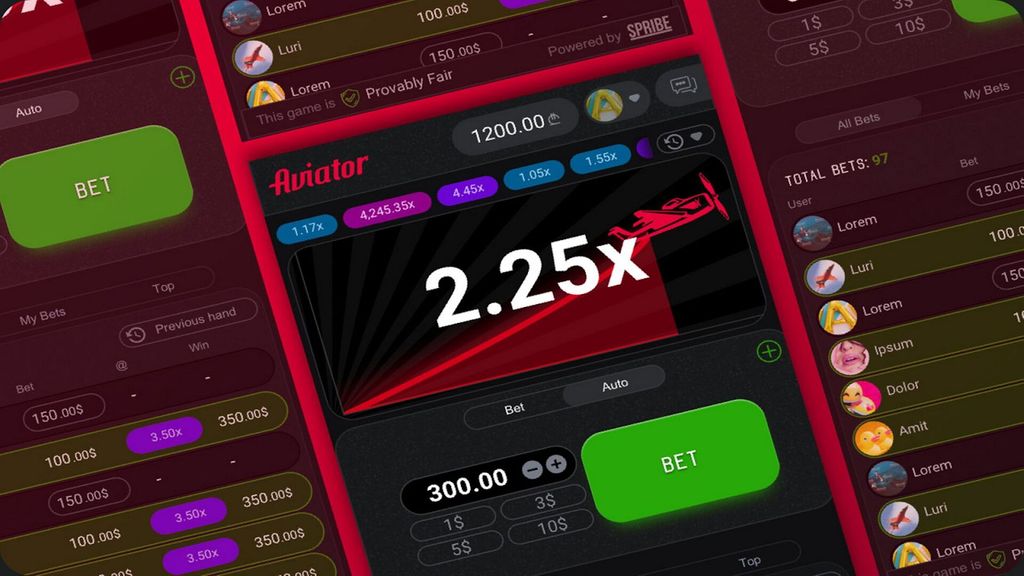
Let’s talk Aviator login app reality the way it plays out in the wild: you’re not usually logging into “Aviator” itself—you’re logging into the casino or sportsbook app that hosts Aviator. That distinction matters, because most login headaches come from the platform layer (accounts, verification, device rules), not from the game round you’re trying to jump into.
Step-by-step login flow (generic, platform-agnostic)
First, create an account on the operator’s official app or website. Keep it simple: use a real email or phone number you can access, and don’t rush through the terms—this is where minimum withdrawal rules and verification expectations like to hide.
Next comes verification. Some platforms let you play right away with small limits, while others ask for identity checks before withdrawals. Either way, treat verification like pre-game warmups: not glamorous, but it prevents late-game chaos.
Then log in and locate Aviator. Most apps place it under Casino, Crash Games, Instant Games, or sometimes a “Featured” carousel. If the app has a search bar, use it—no need to scroll like you’re digging for a needle in a haystack.
Finally, set your basics before the first round: currency, limits (if offered), and any auto cash-out settings the platform supports. That’s your foundation—now you’re playing the game, not wrestling the interface.
Common login issues and fixes
When login problems hit, they usually show up like a surprise blitz. Here are the most common culprits—and quick counters:
Wrong region/version: some apps show different content by country. If Aviator is missing, you may be in the wrong site/app version or a restricted region.
Pending verification: you might log in fine but can’t deposit/withdraw until checks are complete. Look for status banners in profile settings.
App needs an update: crash games are timing-sensitive; outdated apps can lag or misbehave. Update from official sources only.
Password resets not arriving: check spam folders, confirm phone/email, and avoid repeated rapid requests (some systems throttle).
Too many login attempts: wait a bit, then try again—hammering refresh is how you get locked out.
Security hygiene—short, sharp, and absolutely worth it: use a password manager, lock your phone, enable 2FA/biometrics when available, and never follow “login” links from random messages. If the link feels like a trap, it probably is.
Aviator App Online vs Mobile App — Which Is Better?
If you’ve ever asked, “Should I play on a browser or install an app?” welcome to the classic debate. Aviator app online (meaning browser play) can be a smart call, but the native app often wins on comfort and control. The best choice depends on how you like to move—fast and flexible, or steady and locked-in.
When online (browser) is the smarter choice
Browser play is the quick substitution off the bench: no install, no storage drama, and updates happen on the operator’s side. If you jump between devices, or if your phone is already packed, the web version keeps it light.
It’s also handy when you’re troubleshooting. If the app acts up, the browser can confirm whether the issue is your device/app—or the platform itself. Plus, signing in on a desktop browser can make verification steps and settings easier to read without squinting.
When the native app wins
Native apps are built for repeat play. Navigation is usually smoother, sessions can stay signed in longer (depending on settings), and biometrics can make access faster and safer. Some platforms also push notifications for promos or account updates—useful if you like staying in the loop, but easy to disable if you don’t.
Most importantly, a well-built app tends to feel more responsive when you’re tapping quickly. And in crash games, “responsive” isn’t a luxury—it’s the whole scoreboard.
Here’s the final whistle: the “best” choice isn’t a single magic download—it’s the platform that combines stability, trust, smooth payments, and an interface that stays sharp when the multiplier starts climbing. In a game where timing matters, you want an app that doesn’t blink.
Play responsibly, verify terms before you commit, and don’t let bonuses or flashy promos outrun common sense. Pick the app style that matches your priorities, test the waters with low stakes, and then—when everything feels solid—let it fly.
FAQ
What is the best app for Aviator game for beginners?
For beginners, “best” means clarity over flash. Look for a platform with a clean interface, obvious bet controls, and easy-to-find settings like auto cash-out (if available). You want to spend your first sessions learning the rhythm of rounds—not searching for buttons.
Also, prioritize transparency: readable terms, clear withdrawal steps, and support that answers basic questions without sending you in circles. Simple is powerful when the pace is fast.
Is there an official Aviator app, or do I need a casino/sportsbook app?
In most cases, you’ll play Aviator through a casino or sportsbook platform that offers the game. Aviator is the title; the operator is the venue. That’s why the “best app” conversation is really about the hosting platform’s performance, trust signals, and payment experience.
Think of it like watching the same sport in different stadiums—same rules, different lighting, different crowd, different vibe.
How do I find Aviator inside a betting app after I log in?
Start in the Casino section, then look for categories like Crash, Instant, or Featured. If there’s a search function, use it—typing “Aviator” is the fastest route to kickoff.
If it still doesn’t appear, check that you’re using the correct regional version of the platform and that your app is updated. Sometimes it’s not missing—it’s just not available in that specific catalog.
What should I check before downloading an Aviator APK?
First rule: don’t treat random APK links like they’re harmless freebies. Verify you’re using an official store listing or a trusted download path from the operator’s verified site. Watch for copycat names, strange permissions, and messy redirect chains.
Second, read the basics before you deposit: withdrawal rules, verification requirements, and support contacts. If the platform can’t explain those clearly, that’s a warning sign.
Can I play Aviator on mobile browser instead of an app?
Yes, many platforms support browser play, and it can be a great option if you prefer quick access and fewer installs. It’s also useful when you’re switching devices or troubleshooting app issues.
Just make sure the browser session is secure: use a device lock, avoid public Wi-Fi for logins, and log out if you’re on a shared phone.
Why does gameplay feel different across platforms?
Even when the game is the same, the experience can vary because the platform wraps it in its own interface, settings, and performance layer. One app might load faster, show clearer controls, or handle connections better—especially on older devices. That’s why “best” is personal: the right pick is the platform that feels stable in your hands and transparent in its rules.
Recommended

Tum Se Chords - Teri Baaton Mein Aesa Uljha Jiya - Sachin Jigar