Automate Video Assembly Efficiently Using Photo To Video Ai Tech

Feb 11, 2026 • 5 views
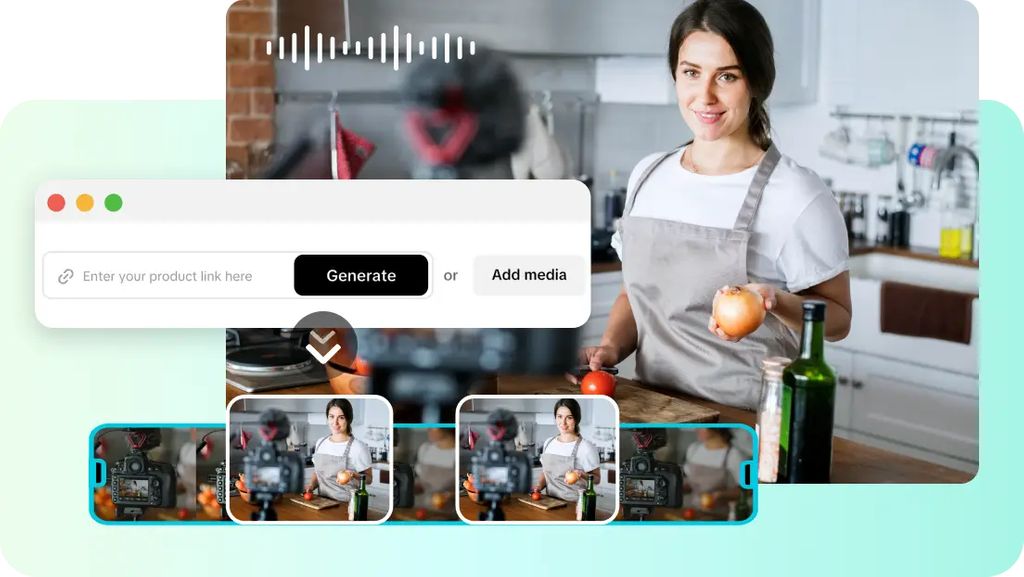
The necessity to create videos within a short period of time has grown in marketing, commerce, and social media. Brands publish photos every day. Artists post regularly. Teams are pressurized to deliver polished videos within a shorter time. This is a challenge to manual editing techniques. Timelines stretch. Creative energy drains. Efficient assembly now defines competitive content workflows.
Traditional editing entails sequencing images, text matching, music matching, and editing cross-fades. All the activities use time and energy. Revisions start with minor changes. It is a process that decelerates production and places emphasis on innovation. Automation solves this problem by shifting the construction toward narrating.
What Video Assembly Means in Modern Content Creation
Video assembly is the process of uniting images, text, transitions, and audio to create a continuous narrative. Everything must be rational and effective. Even the simplest videos need to be ordered and timed. This is often hidden in short-end products.
In modern work practices, assembly is the way in which viewers are subjected to content. Poor structure undermines messages. Unpredictable time reduces interest. In manual pipelines, decisions must always be made at the micro level. Spacing, timing, and motion are made and remade by the editors. These repetitive processes inflate the time of production.
The rise of photo to video AI addresses these hidden costs. Flow and structures are automatically read. They convert fixed assets into flowing sequences. This change saves assembly hours in a phenomenally big way without any narrative confusion.

The Shift From Manual Editing to AI-Driven Automation
The automation of videos using AI is transforming their assembly. Algorithms analyze image content, order, and visual relationships. They discover rhythms that suggest plot development. This can and does allow systems to construct scenes in a logical manner without human involvement.
Automation improves productivity by removing repetitive editing. Designers do not have to drag and cut clips and frames, but instead focus on the refinement of messages. Pippit applies this technique in video construction phases. It is an automatic sequencing, transitions, and timing.
This shift does not eliminate creative control. It relocates creativity after its collection. You read drafts and do not build timelines. This conversion makes it faster and does not distort creative intent.
Core Automation Capabilities of Photo To Video AI
The sequencing of images into logical scenes is especially well done by automated systems. Pippit recognizes visual similarity, subject continuity, and contrast. It groups similar images into similar blocks. It is machine speed editorial reasoning.
Sophisticated transitions adapt to content and tone. Product images are subjected to professional motion. Travel images develop fluid, emotive motion. Timing is automatically changed with the scene density and beat.
AI pacing offers visual equality. Quick cuts revitalize adverts. A better transition makes it easier to tell stories. These decisions were tested manually. They are currently filled automatically in real time and filled out.
Steps to Automate Video Assembly Efficiently Using Photo To Video AI Tech
Step 1: Feed inputs for automation
Begin by signing up on Pippit. Open the "Video generator" tab and choose "Add media" to upload your reference image. You can upload an image from a local device, from your phone, Dropbox, or even as a link. If needed, select from assets. Add a detailed text prompt describing your video outcome. This allows the AI to assemble scenes correctly. Click the "Generate" tab to proceed.
Step 2: Let AI assemble everything
The AI video generator in Pippit automatically edits and generates your video as per your text prompt and reference image. It handles transitions, pacing, and video enhancements without manual effort.
The system auto-adds avatars, voice, lyrics, captions, and photos/videos. It's perfect to structure your final video logically. Choose from 4 to 5 drafts or click edit more for deeper edits.
Step 3: Finalize and distribute
After reviewing, refine the video as needed. Edit captions manually, add text, customize size, color, alignment, apply effects, adjust filters, add background music, or remove background.
When done, hit the "Export" tab. Share directly using "Publish" or save locally through "Download" with full control over format and quality.
How Pippit Handles Intelligent Scene Construction
Pippit contrasts similarities and differences in images. It defines focal points, colors, and composition. This analysis informs scene boundaries. Pictures related come together. Emphasis is created by the use of contrasting pictures.
The system establishes an unconscious visual rhythm. Content density varies with the change in scene lengths. Busy images are provided with short periods. Easier images will be able to withstand longer on the screen. This balance maintains the attention of the audience.
The assembly style is a content response style. The marketing pictures appear neat and straight to the point. Lifestyle content is informative and flowing. This adaptability allows consistency of quality in various applications.
Scaling Content Production Through Automation
Quality can be lost without compromising automation. The number of videos produced with the same photo set is large. Each output supports different platforms or campaigns. Pippit does this effectively.
High-volume production is supported by batch-ready workflows. Teams do not repeat manual steps. Outputs are consistent. The elements of branding proceed automatically.
In the middle of this workflow sits an AI video generator that accelerates delivery. It transforms unanimous properties into content-ready images. This assists in expanding without the need to expand the number of production teams.
Retaining Creative Oversight in Automated Video Creation
Creative control is required. Editing is replaced by automation at a later stage. Once assembled, you polish text, pictures, and timing. It is one of the techniques that reduces fatigue and improves the quality of decisions.
Personalization is not predetermined. Captions, fonts, colors, and animations can be easily modified. Sound effects are used to add tone and uniqueness. Advanced features like lip sync AI enhance avatar-based visuals without manual synchronization.
The creation in modern times is marked by precision and speed. Automation takes care of the structure. Creativity shapes impact. This partnership offers communicative and effective videos.
Conclusion
Video production has now become automated. It also handles the growing demand without compromising quality. Pippit also has the ability to create video efficiently through smart automation. Its operations make things easy and dependable in size. The future is inclined to the hands-off construction with the special creative refinement.
Recommended

Janiye Chords - Chor Nikal Ke Bhaga - Yami Gautam & Sunny Kaushal
Tum Se Chords - Teri Baaton Mein Aesa Uljha Jiya - Sachin Jigar
Mera Yaar Chords - Javed Bashir & Shankar Ehsaan - Bhaag Milkha Bhaag