All That You Have To Know About Watercolor Painting

Mar 28, 2019 • 9 views
Who doesn’t like the beautiful experience of painting delicate colors ontograiny white paper? From professional artists to nursery kids, everyone can create wonder at their fingertips with these tender colors. Unlike acrylic and oil paints, watercolor is very light and translucent, yet elegant in its simplicity. Also it is very cheap compared to other paints, which makes it the perfect medium for one to start painting. The greatest benefit of using watercolor is that, one can create any number of elusive shades of all colors. If we trace back to the origins of watercolor painting, it dates centuries back to the ancient Egyptian civilization, when people mixed natural dyes with water to paint on sculptures and walls. During the Renaissance period, it became more popular in the hands of great artists like Albrecht Durer and Hans Bol.
Here are some basic and interesting tips for people who have started watercolor painting.
For Beginners
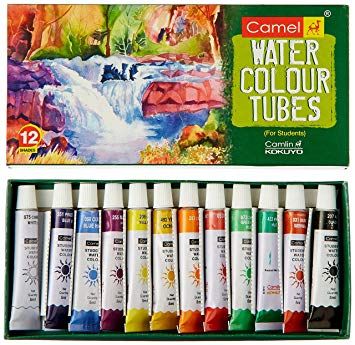
Those who are just learning to paint are more likely to make mistakes often. So buying expensive paper and paint at this stage would be slightly a miscalculation. Instead beginners can use student’s watercolor and chart paper. Camlin and Faber Castell provide good quality student's paint at cheap rates.
Identify different shades
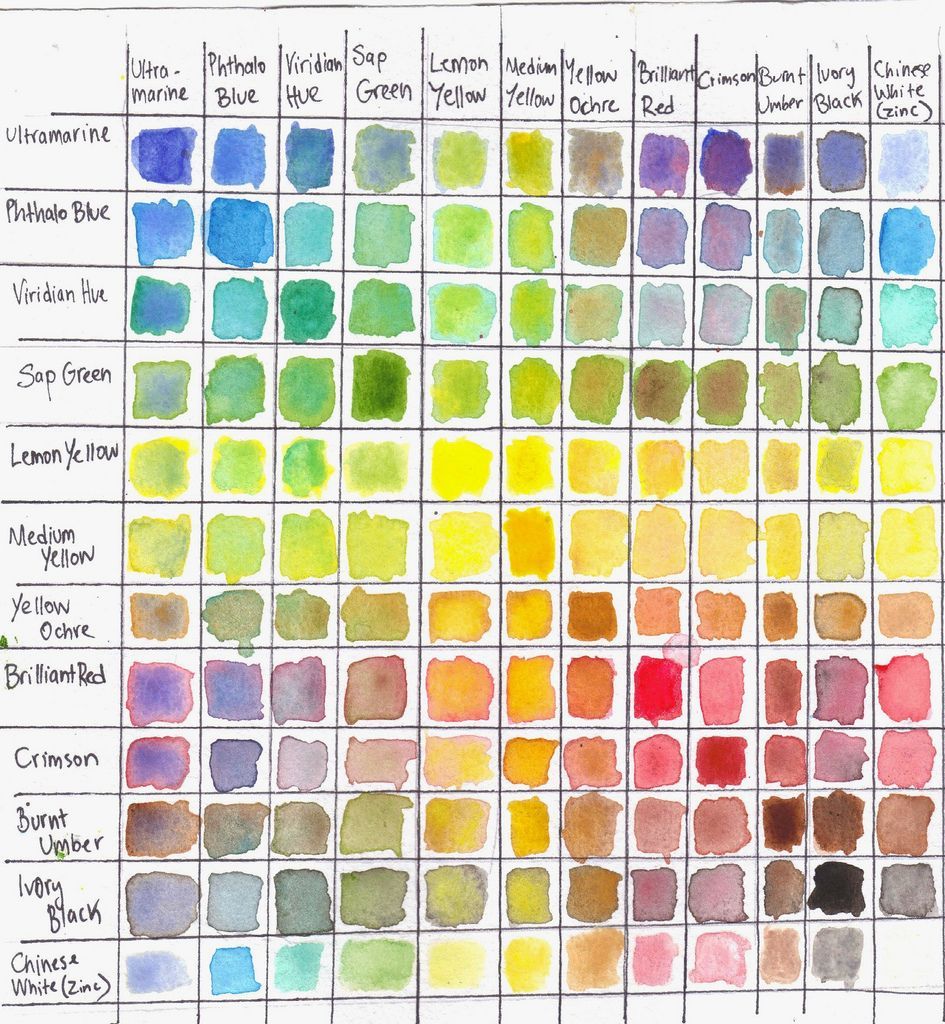
Watercolor is all about three primary colors, three secondary colors and six intermediate colors. Red, yellow and blue are the primary colors, and orange, green and violet are the secondary colors. All other shades can be created by mixing these colors. In traditional
watercolor painting, black and white is not usually used.
Choosing the right paper
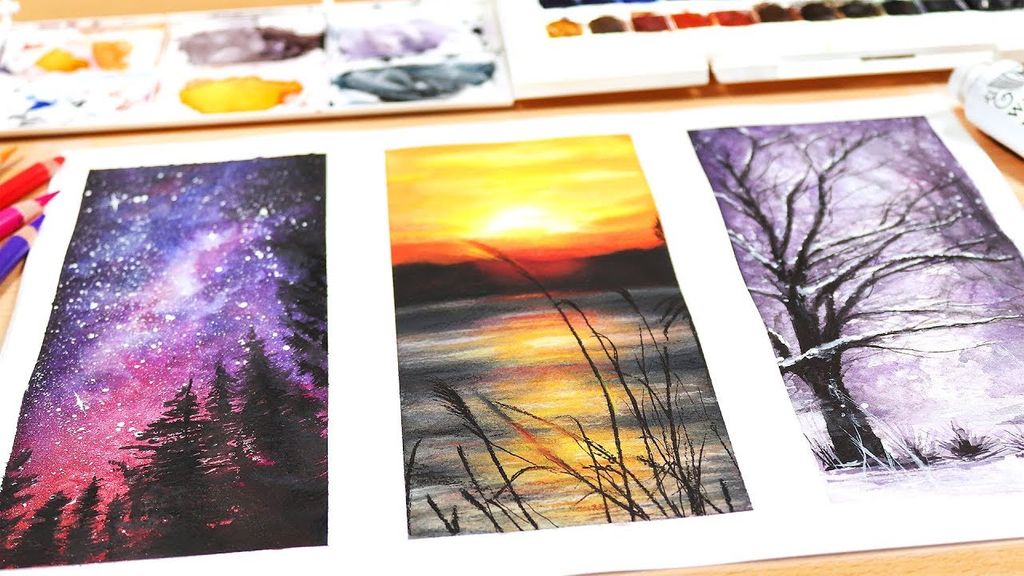
Generally white paper is used for watercolor painting, so that it can reflect light, thus giving it a luminescent look. A 300 GSM paper has the accurate thickness and strength to hold the water content, without being destroyed.
White Strokes
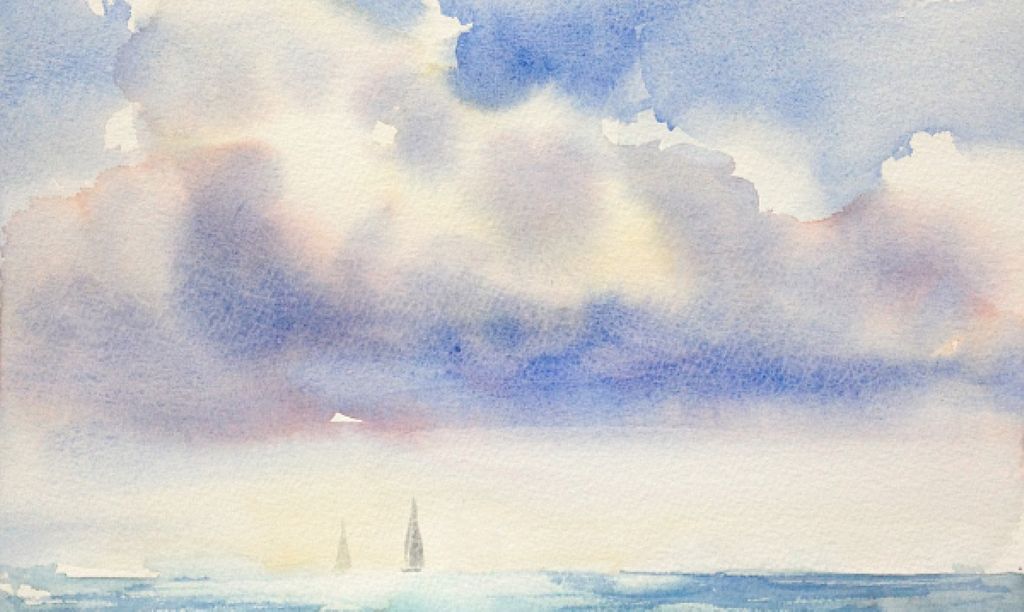
Transparency is one of the main features of watercolor. If we maintain small white patches of paper while painting, it can create beautiful realistic patterns.
Using creative tools
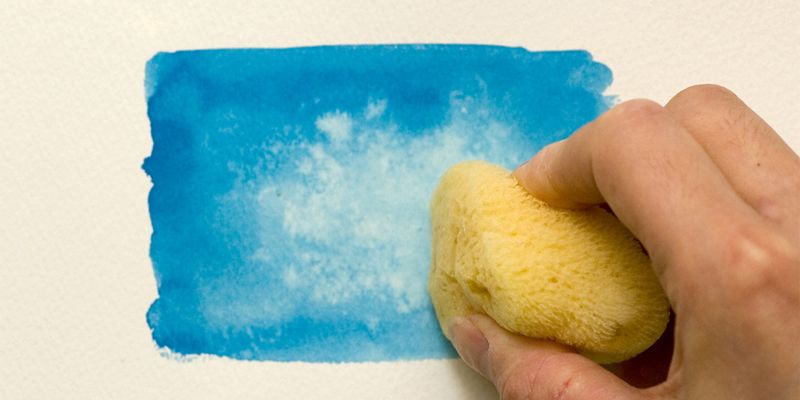
Did you ever know that you can use different kind of tools apart from brushes to paint? You can use a piece of sponge to create textures. Even your fingers can create interesting patterns with colors. Also try using cut vegetables like lady's finger and bitter guard to imprint patterns. Next time you paint, just sprinkle a little salt on top of wet color. Salt absorbs water, thus producing light shades.
Applying shades
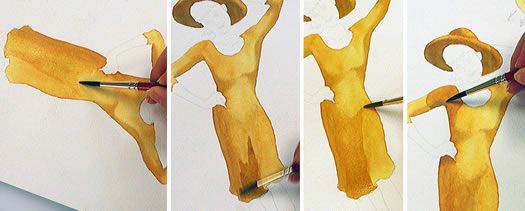
Begin by applying lighter shades in the beginning. Then move slowly towards darker shades. Make sure that the first shade is properly dried before applying the next. Do not use excess of water while mixing paints as it can cause paint to drip down.
Ultimately, the best tool that can come in handy is patience, friends. Believe in your talent and slowly develop your skills. All the best!
Recommended

Mera Yaar Chords - Javed Bashir & Shankar Ehsaan - Bhaag Milkha Bhaag