Extinction Of Animals Is A Thing Of The Past

Mar 22, 2019 • 17 views
Extinction is a different kind of death. We didn’t even realise that until 1914, when the last passenger pigeon died at the Cincinnati zoo. There was a time when this was the most abundant bird in the world and has been present for over 6 million years. But it went from 5 billion birds to zero in just a couple of decades. This happened mainly due to human activities such as commercial hunting and pollution. The only upside to this incident was people become more aware of the dangers of extinction. Due to this awareness, a lot of animals have been saved such a whales and American bison. But a lot of animals weren’t lucky enough such as woolly mammoth and dodo.
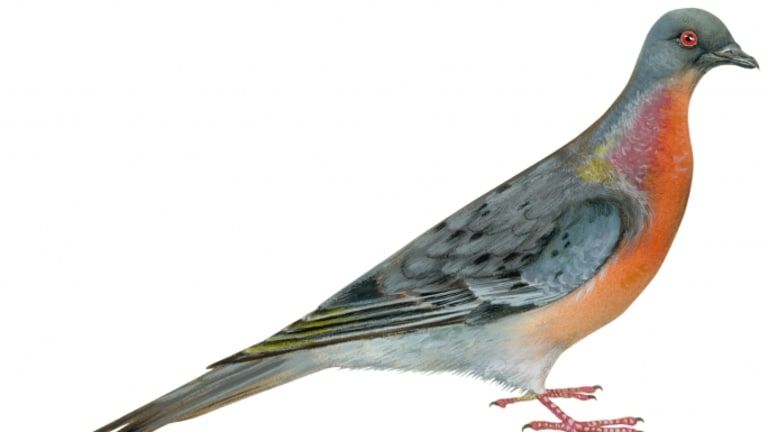
Passenger Pigeon
These species are extinct but in many cases, their DNA is still around, in places like museum drawers and buried in the ground. Today, scientists think de-extinction might be the answer to bring these animals back. DNA holds the instructions for an organism’s assembly, life and reproduction. By inserting a copy of DNA instructions into an empty embryo, scientists could successfully achieve cloning.
However, it is not as easy as it sounds. To make a clone or exact copy, scientists need the complete set of genetic instructions. Unfortunately, as soon as an animal dies, its DNA starts to degrade. On average, it takes just 521 years for half of an animal’s genetic material to degrade. So scientists came up with an innovative idea. They took the remaining DNA from the animals they wanted to clone and fused it with an animal who’s a close relative. For example, to clone mammoth, the DNA which is missing is made up by adding the DNA of an elephant. Then this hybrid embryo would be placed inside a living Asian elephant until it’s born.
The revolutionary technology that made considering de-extinction possible is genome editing. So using things like CRISPR Cas9 or talens or MegaTAL (these are editing tool for DNA), it is able to go through millions of strands of DNA, locate a specific genome and remove or add to it.
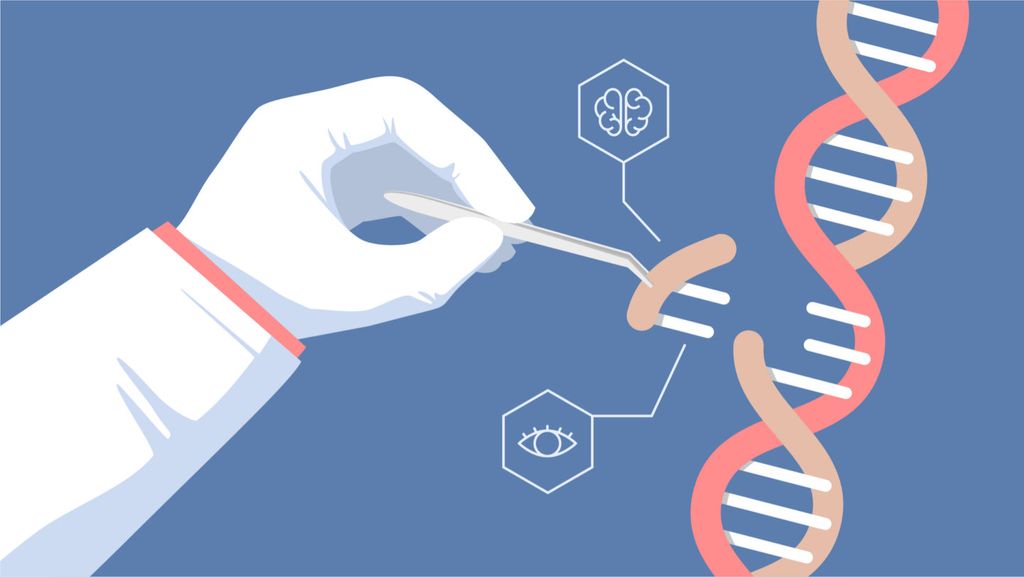
Genetic editing
However scientists are worried about the impact of bringing back extinct animals into the ecosystem. There’s a portfolio of extinct animals that you could potentially bring back. The challenge is trying to figure out which of those is going to have the biggest positive impacts and working on those first. We are really close to achieving de-extinction but just we can do it, does that mean we should?
Recommended

Kasam Ki Kasam Chords - A.R.Rahman & Shaan - Kabhi Khushi Kabhi Gham