The Classic - Indian Classical Music

May 20, 2019 • 252 views
The Indian classical music is the most ancient and adequate art all over the world.It has its ancestries in varied expanses like the antique spiritual, sacred chants, ethnic hymns, prayerful holy melody, and traditional tune. The Indian classical melody is harmonious in quality and the actions in Indian music are on a one-tone-in-a-period basis.
Indian classical music is grounded on ragas (melodic), talas (rhythm), and harmony. The term raga means “the one which allures” or “the one that ensigns”. Moreover, the convention of Indian traditional melody is an utter one. The pundit imparts it unswervingly to his partisans. There is no leaf melody or printed ritual as in modern melody.
Octaves and Tones in Hindustani Music
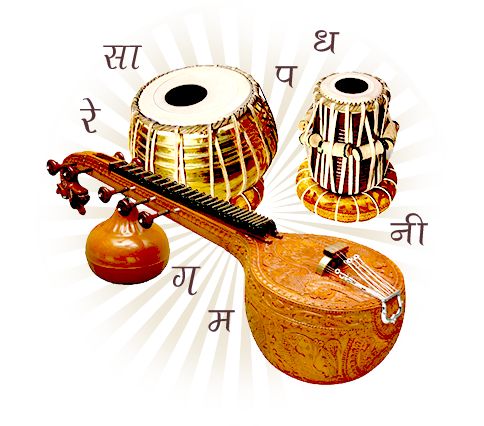
Indian classical music is neither vocal, it is finely defined as modal melody which is direct rather than similarities in assembly. The gauge is knotted to a rudimentary tone known as the livener. The chief minutes of the octave are 12, though there are 10 additional minutes known as the Srutis, for an overall of 22 intervals. In Hindustani music, there are typically seven diverse tones (swar) in every octave. Every single tone has a lengthy title and an abridged term. These are Shadj (Sa), Rishabh (Re), Gandhara (Ga), Madhyam (Ma), Pancham (Pa), Dhaivat (Dha) and Nishad (Ni). The interlude amongst every tone and the pitch is never constantly the same; it fluctuates in accordance to the melody’s style.
Instrumental Presentation of Indian Classical Music
There are numerous means to execute Indian Classical music. Contributory and uttered recitals both obligate a quantity of dissimilar features and panaches. For example, the presentation includes three artistes namely, the Drone (played on the Tanpura), the Tal (played on the Tabla) and the Rag (played on the Sitar). The act similarly consists of three segments: the Alap, the Jor and the Jhala. The Alap segment is somewhat comparable to the overview. Subsequently, as the Drone initiates, the star performer gradually reconnoiters the rising and sinking minutes of the Rag, possibly at altered octaves. Even though the melody is quiet, relatively calm, in the Jor unit, the sitar actor familiarizes a distinguishable throb to his inventiveness of the rag. In the Jhala, the Tampura and the Sitar are combined by the Tabla. The segment initiates leisurely however, progressively increases stride. The Tabla and Sitar actors take it to Adlib, occasionally reproducing respectively other’s unpremeditated configurations. The melody gets quicker and quicker, and extra thrilling afore closing, frequently to countless ovations.
The customary recitation of Hindustani music arises with the Alap unit, the dignified and calm investigation, the steady and thoughtful recitation of the edifice, melody and Rasa of a preferred raga. It is well-thought-out as the uppermost custom in Indian tune. This unhurried, pensive and genuine commencement is shadowed by the Jor that enhances beat to the harmony and grows the raga's elementary refrain in uncountable disparities. Neither the Alap nor the Jor are escorted by the barrels. They grow into the Gat, the stable configuration of the raga. The beats arrive into the recurring construction of the Gat and its period series, the Tala. This segment is grounded on the Khyal system. The Gat hastens stage-by-stage and concludes in the Jhala slice, which is lively and exhilarating.
Recommended
